Marine Batteries,Chargers & Power Management

by | Jul 2, 2026 | 85 | 0 comments

Marine Batteries, Chargers & Power Management: Essential Guide for Boat Battery Maintenance and Safety

By Martin Lotz, Lotz Outdoors

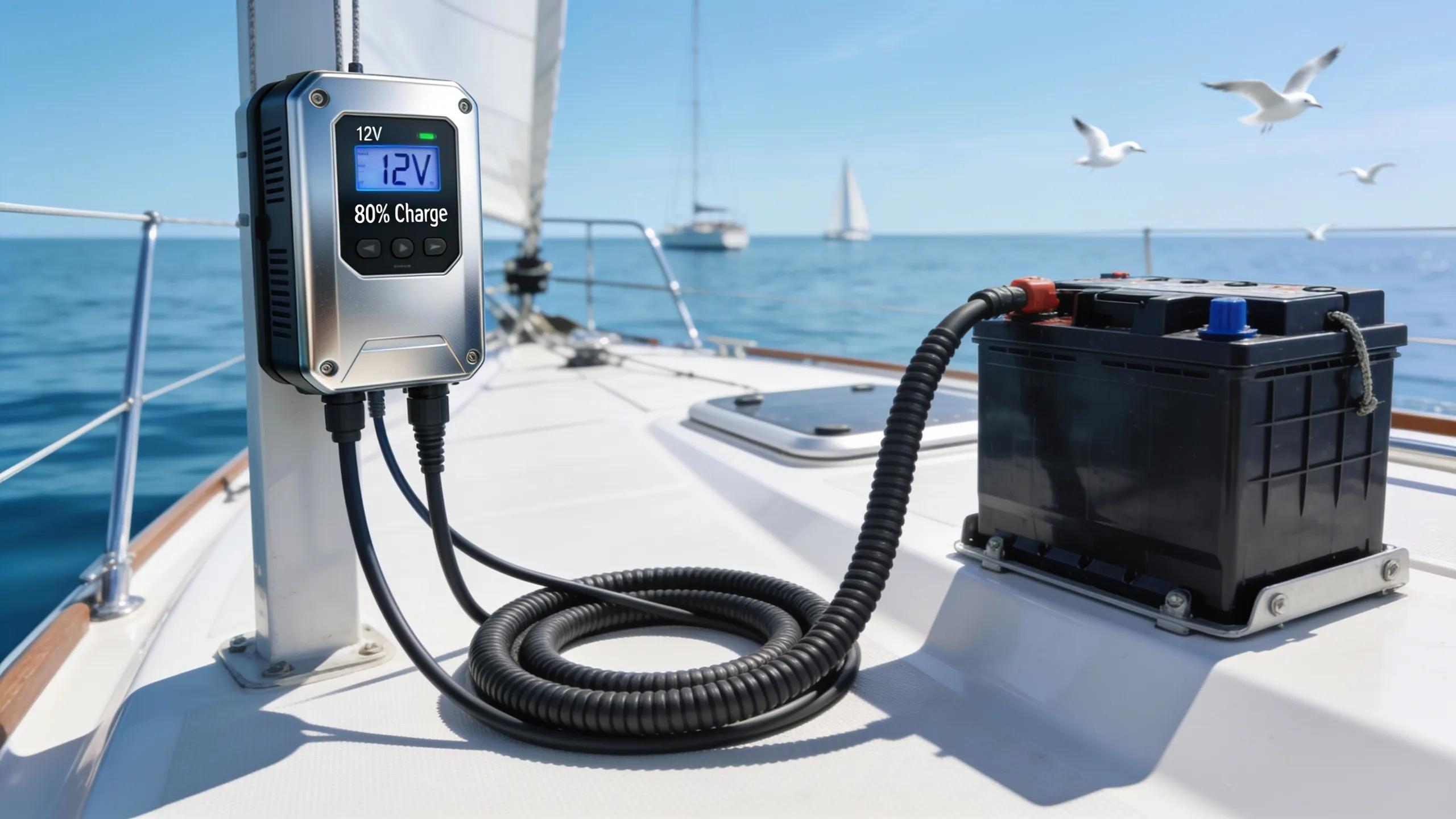
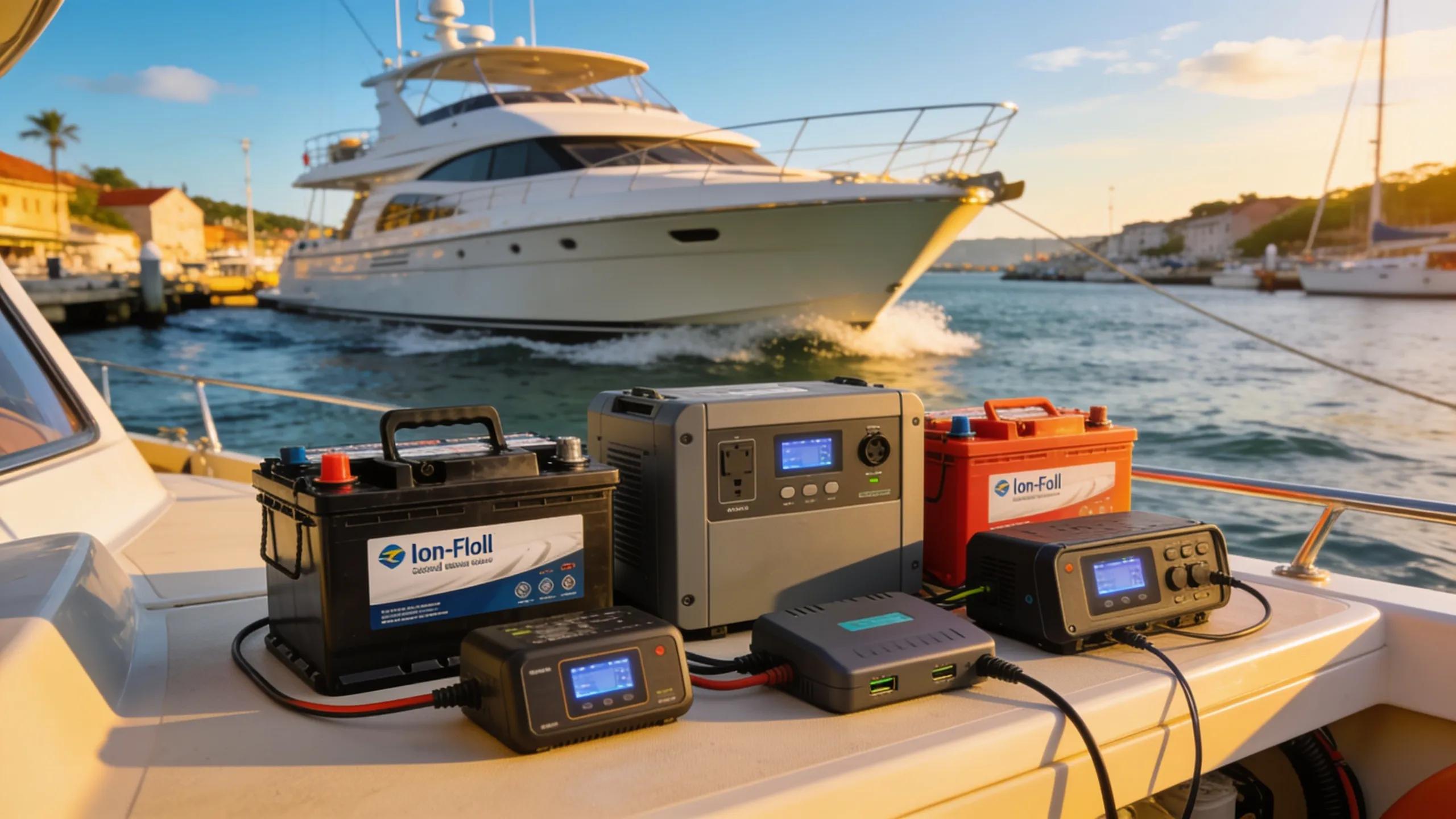
Marine batteries and basic power management keep your boat dependable. Battery types serve distinct roles—from starting engines to powering electronics—and each needs appropriate care and charging to perform well and last. This guide summarizes battery types, maintenance, charging, common mistakes, useful tools, safety, and how Lotz Outdoors supports quality setups.

Key Takeaways

  • Marine batteries include starting, deep-cycle, and dual-purpose types for different onboard needs.
  • Regular inspection, terminal cleaning, and water-level checks extend performance and lifespan.
  • Quality chargers with the correct charging profile protect batteries and improve efficiency.
  • Smart chargers add multi-stage charging and temperature compensation; dual-bank units charge separate batteries independently.
  • Avoid overcharging, skipped maintenance, and wrong battery sizing to prevent failures.
  • Keep multimeters, cleaning tools, and compatible chargers on board for routine management.
  • Charge in ventilated areas and use PPE to reduce safety risks.
  • Secure installs and routine electrical checks prevent hazards and keep systems reliable.

Understanding Marine Battery Types

Marine batteries fall into starting, deep-cycle, and dual-purpose categories. Starting batteries provide brief, high-current bursts for engine starts; deep-cycle models deliver steady power for electronics; dual-purpose units offer a compromise for mixed use. Choose batteries to match your boat’s voltage, capacity, and usage patterns.

Best Practices for Battery Maintenance
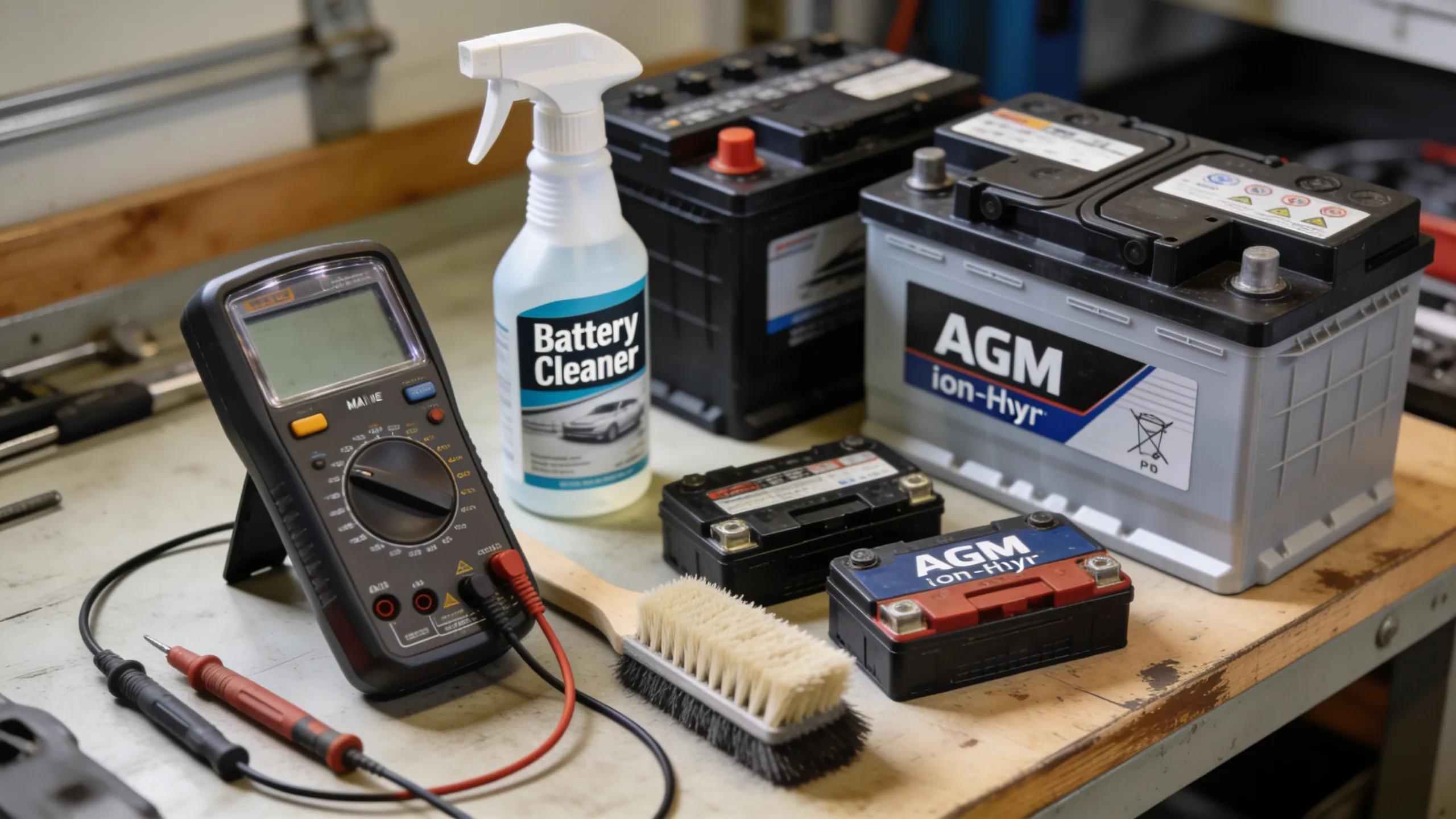
Routine maintenance prevents problems and extends service life. Key steps include:

  1. Regular Inspections: Check for corrosion, loose connections, and physical damage.
  2. Clean Terminals: Remove corrosion with a baking soda solution and keep connections tight.
  3. Monitor Water Levels: Top non-sealed batteries with distilled water as needed.

These practices support more reliable performance and longer battery life. Lotz Outdoors supplies cleaning and maintenance tools suited to marine batteries.

Charging Practices

Correct charging preserves battery health. Match chargers to battery chemistry, follow manufacturer charge profiles, and keep a regular charging schedule.

  1. Invest in Quality Chargers: Choose chargers made for marine use and your battery type.
  2. Understand Charging Profiles: Deep-cycle and lithium chemistries require different profiles—follow the maker's recommendations.
  3. Regular Charging: Recharge after heavy use and maintain top-off charging when idle.

Lotz Outdoors offers chargers tested for compatibility across common marine battery types.

Which Features Define Smart and Dual Bank Marine Battery Chargers?

Smart chargers deliver multi-stage charging, voltage regulation, and temperature compensation; dual-bank units allow independent charging of two batteries.

How to Choose Compatible Chargers for Deep Cycle and Lithium Marine Batteries?

Select chargers that explicitly list compatibility with your battery chemistry and can follow the required charge profile to protect lifespan and performance.

Common Pitfalls to Avoid

Common mistakes that shorten battery life include:

  1. Overcharging: Avoid extended charging beyond full capacity.
  2. Neglecting Maintenance Tasks: Regular care prevents avoidable damage.
  3. Using Incorrect Battery Sizes: Match capacity and discharge ratings to your electrical load.

Awareness of these pitfalls helps you prevent costly failures and keep systems dependable.

Essential Tools for Effective Power Management

Carry a few basic tools to monitor and maintain batteries:

  • Multimeter/Battery Tester: Check voltage and diagnose issues.
  • Cleaning Supplies: Brushes and corrosion inhibitors for terminals.
  • Quality Charger: A reliable charger matched to your batteries.

Regular checks with these tools keep battery systems safer and more efficient on the water.

Safety Considerations

Follow safety steps when working with batteries to reduce injury and fire risk. Proper handling protects you and your boat’s systems.

  1. Ventilation During Charging: Charge in a ventilated area to avoid gas buildup.
  2. Use of Personal Protective Equipment (PPE): Wear gloves and eye protection when handling batteries.
  3. Fire Safety Measures: Keep a suitable fire extinguisher near charging locations.

These precautions minimize the chance of accidents during maintenance and charging.

What Are the Top Marine Battery Safety Practices Every Boater Should Know?

Know battery hazards, use appropriate PPE, and have clear emergency procedures so you can respond quickly to issues.

How to Safely Install and Use Marine Batteries and Chargers on Your Boat?

Secure batteries, use correct cables and connectors, and follow the manufacturer’s installation instructions for safe operation.

What Precautions Prevent Electrical Hazards in Marine Power Management Systems?

Inspect connections regularly, protect cables from abrasion, and secure wiring to prevent shorts or wear while underway.

Frequently Asked Questions

1. What is the lifespan of a marine battery?

Lifespan varies by type and use. Starting batteries often last a few years; deep-cycle batteries can last longer with proper care. Charging habits, usage, and conditions affect longevity.

2. How can I tell if my marine battery is failing?

Signs include hard starts, dim lights, swelling, leaks, or a battery that won’t hold charge. A multimeter helps confirm voltage and diagnose issues.

3. Are there benefits to using lithium batteries in marine applications?

Lithium batteries usually weigh less, charge faster, and provide more usable capacity, though they cost more up front. Match benefits to your usage and budget.

4. How does temperature affect marine battery performance?

Cold reduces available capacity and can make starting harder; heat accelerates degradation and raises overcharge risk. Keep batteries at moderate temperatures when possible.

5. What types of chargers are best for marine batteries?

Use chargers designed for your battery chemistry. Smart multi-stage chargers help extend life for lead-acid and lithium types.

6. What safety measures should be taken when working with marine batteries?

Charge in ventilated areas, wear gloves and eye protection, inspect for damage, and keep a fire extinguisher nearby.

7. Can I mix different types of marine batteries?

Mixing chemistries and ages is not recommended; differences in charge/discharge behavior can cause inefficient charging and damage. Use matched batteries for best results.

Conclusion

Proper maintenance, correct charging, and the right tools keep marine batteries reliable and safe. Follow these practices to extend battery life and enjoy more dependable time on the water. Explore our marine battery solutions and accessories to improve your boating setup.

0 Comments

Submit a Comment

Your email address will not be published. Required fields are marked *

Related posts

Fishing Tackle & Lure Strategies by Species

Fishing Tackle & Lure Strategies by Species

By Martin Lotz, Lotz OutdoorsDifferent species and water types require specific tactics and the right gear to maximize your fishing success. This guide explains how to pick lures suited to your target fish, apply effective techniques tailored for various environments,...

read more
Fishing Apparel: Sun Protection and Comfort

Fishing Apparel: Sun Protection and Comfort

By Martin Lotz, Lotz OutdoorsProper fishing apparel that balances sun protection and comfort is essential for anglers who spend long hours outdoors. The right gear improves performance and shields you from harmful UV rays. This article explains what makes fishing...

read more