Common Hunting Mistakes and How to Avoid Them
Many hunters, especially those new to the sport, make common mistakes that can hinder their success or even lead to dangerous situations. Understanding these pitfalls is the first step toward becoming a more effective and responsible outdoorsman.
These errors often stem from a lack of preparation, insufficient knowledge of game behavior, or improper use of equipment. By learning from the experiences of seasoned hunters and focusing on fundamental principles, you can significantly improve your chances of a successful hunt while ensuring safety.
Understanding Different Types of Hunting Licenses and Permits
Navigating the world of hunting regulations can be complex, and understanding the various licenses and permits required is crucial for legal and ethical hunting. These requirements vary significantly by state, game species, and even the time of year.
Typically, you'll need a general hunting license, but depending on what you plan to hunt (e.g., deer, waterfowl, turkey), you may also need specific permits or stamps. It's essential to research the regulations for your specific hunting location well in advance of your trip to avoid penalties.
Essential Hunting Gear Checklist for Beginners
For aspiring hunters, equipping yourself with the right gear can make a significant difference in comfort, safety, and overall success. A well-prepared hunter is a confident hunter, and starting with a solid checklist ensures you don't overlook critical items.
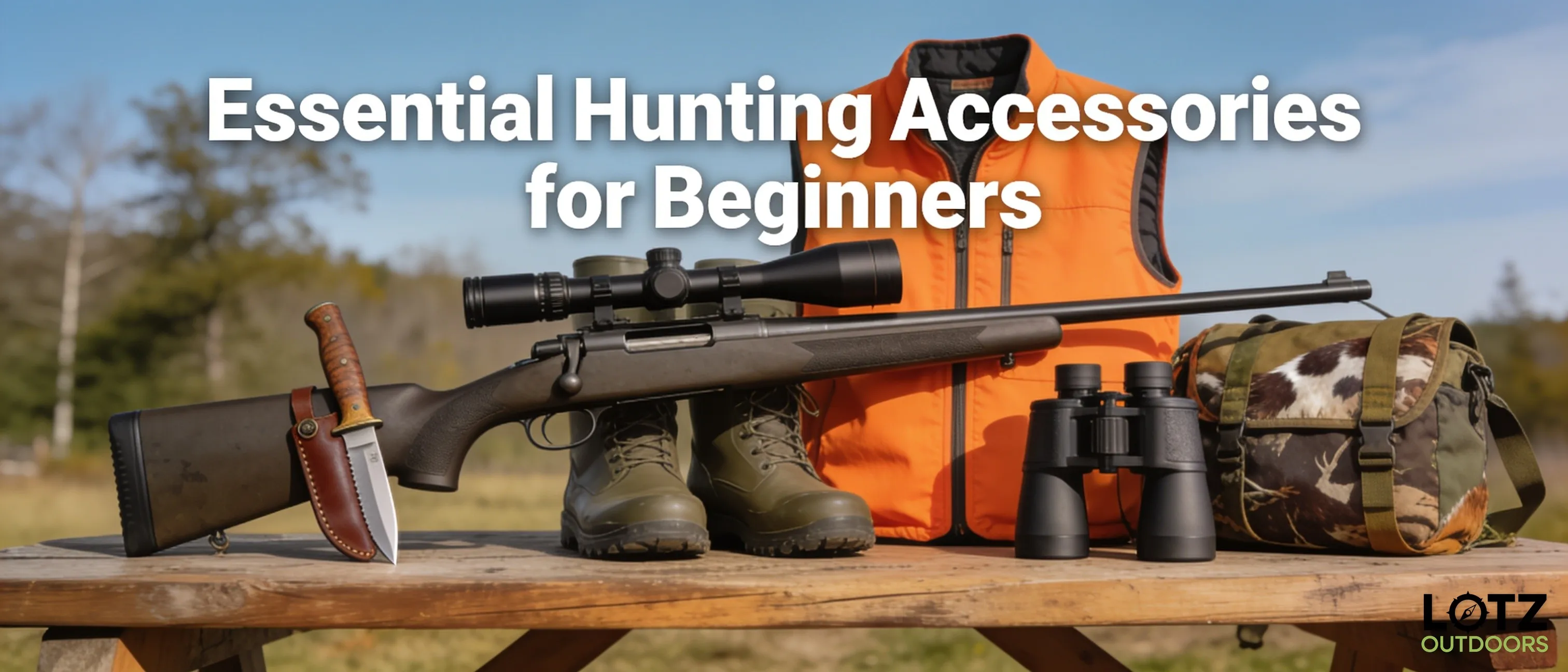
Your beginner's checklist should include items like appropriate clothing layers for varying weather conditions, a reliable firearm or bow, ammunition, a good knife, navigation tools (map, compass, GPS), a first-aid kit, and essential safety equipment such as a blaze orange vest or hat.
The Importance of Ethical Hunting Practices
Ethical hunting is the cornerstone of responsible outdoor recreation, ensuring the sustainability of wildlife populations and respecting the animals we pursue. It encompasses a commitment to fair chase, minimizing suffering, and leaving no trace.
Ethical hunters practice respect for the game, the land, and fellow hunters. This includes understanding animal behavior, making clean shots, properly field dressing and utilizing harvested game, and adhering strictly to all hunting laws and regulations.
Common Hunting Mistakes and How to Avoid Them
Many hunters, especially those new to the sport, make common mistakes that can hinder their success or even lead to dangerous situations. Understanding these pitfalls is the first step toward becoming a more effective and responsible outdoorsman.
These errors often stem from a lack of preparation, insufficient knowledge of game behavior, or improper use of equipment. By learning from the experiences of seasoned hunters and focusing on fundamental principles, you can significantly improve your chances of a successful hunt while ensuring safety.
Understanding Different Types of Hunting Licenses and Permits
Navigating the world of hunting regulations can be complex, and understanding the various licenses and permits required is crucial for legal and ethical hunting. These requirements vary significantly by state, game species, and even the time of year.
Typically, you'll need a general hunting license, but depending on what you plan to hunt (e.g., deer, waterfowl, turkey), you may also need specific permits or stamps. It's essential to research the regulations for your specific hunting location well in advance of your trip to avoid penalties.
Essential Hunting Gear Checklist for Beginners
For aspiring hunters, equipping yourself with the right gear can make a significant difference in comfort, safety, and overall success. A well-prepared hunter is a confident hunter, and starting with a solid checklist ensures you don't overlook critical items.
Your beginner's checklist should include items like appropriate clothing layers for varying weather conditions, a reliable firearm or bow, ammunition, a good knife, navigation tools (map, compass, GPS), a first-aid kit, and essential safety equipment such as a blaze orange vest or hat.
The Importance of Ethical Hunting Practices
Ethical hunting is the cornerstone of responsible outdoor recreation, ensuring the sustainability of wildlife populations and respecting the animals we pursue. It encompasses a commitment to fair chase, minimizing suffering, and leaving no trace.
Ethical hunters practice respect for the game, the land, and fellow hunters. This includes understanding animal behavior, making clean shots, properly field dressing and utilizing harvested game, and adhering strictly to all hunting laws and regulations.