Understanding Different Fishing Lures
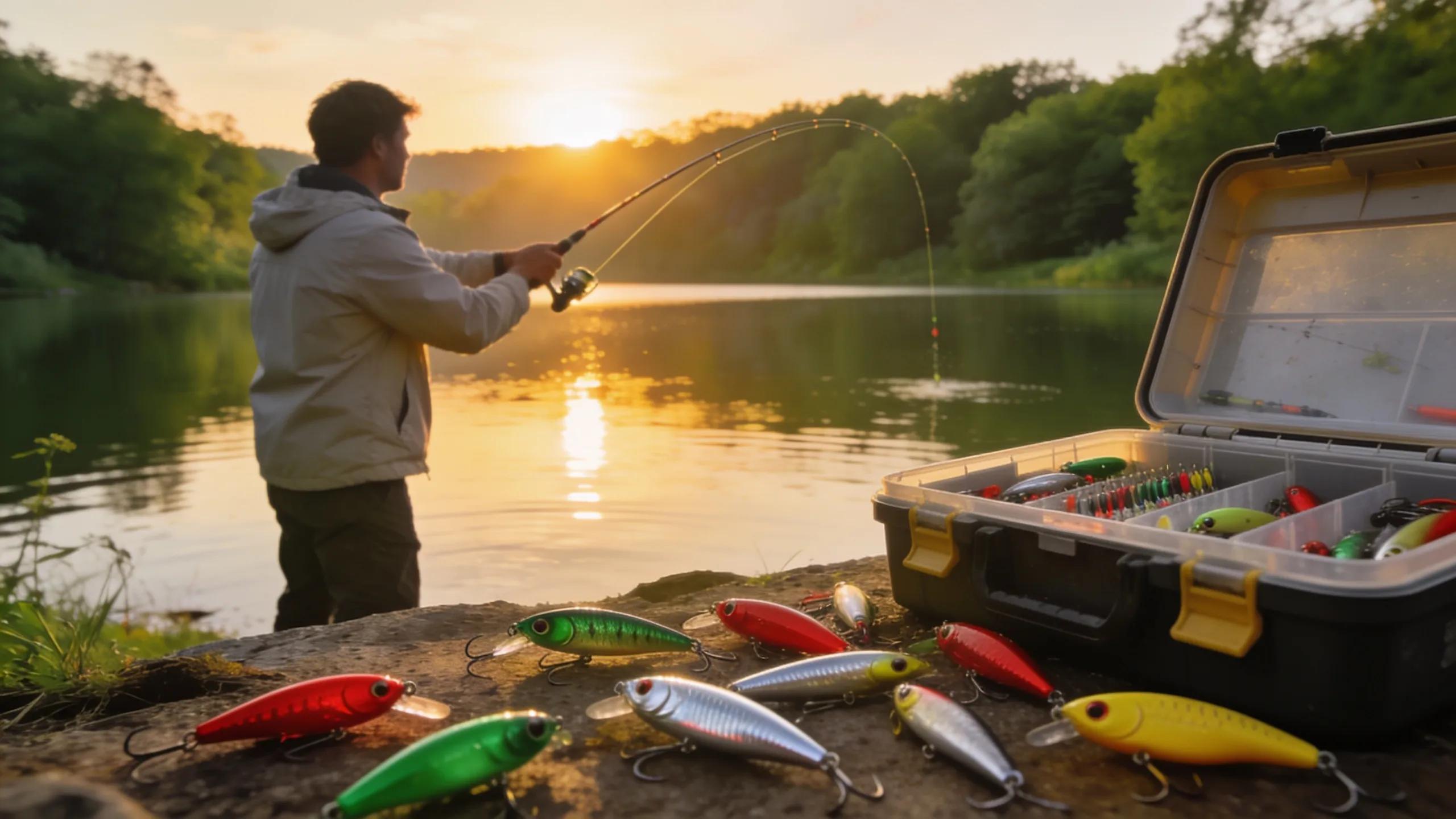
Choosing the right fishing lure is crucial for success, as different lures are designed to mimic various types of prey and attract specific fish species. Understanding the characteristics of different lure types, such as their action, color, and size, can significantly improve your catch rate.
Common lure categories include crankbaits, which dive and wobble to imitate baitfish; soft plastics, offering versatility in shape and action; topwater lures that create surface disturbance; and jigs, which can be versatile for various depths and presentations. Each category has sub-types tailored for particular fishing conditions and target fish.
Essential Fishing Techniques for Beginners
For those new to the sport, mastering a few fundamental fishing techniques can build confidence and lead to enjoyable experiences. These techniques focus on casting, retrieving, and understanding how to present your bait or lure effectively to entice a bite.
Basic techniques include the simple overhead cast for accuracy, the pendulum cast for tight spaces, and various retrieval methods like steady reeling, stop-and-go, or twitching. Understanding the behavior of your target fish and adapting your technique accordingly is key to catching more fish.
Choosing the Right Fishing Rod and Reel Combination
The synergy between your fishing rod and reel is paramount for effective fishing. Selecting the correct combination depends on the type of fishing you plan to do, the species you're targeting, and your personal preference for casting and handling.
Factors to consider include rod length and action (how it bends), reel type (spinning, spincast, baitcast), and line capacity. A balanced setup ensures comfortable casting, accurate presentations, and the necessary power to handle your catch.
Seasonal Fishing Strategies for Optimal Catches
Fish behavior and location change significantly throughout the year due to water temperature, spawning cycles, and food availability. Adapting your fishing strategies to the season can dramatically increase your chances of a successful outing.
In spring, fish often move to shallower waters to feed and spawn, while summer may require targeting deeper, cooler areas. Autumn brings active feeding as fish prepare for winter, and winter fishing can be productive in specific locations with the right techniques, often involving slower presentations.
Understanding Different Fishing Lures
Choosing the right fishing lure is crucial for success, as different lures are designed to mimic various types of prey and attract specific fish species. Understanding the characteristics of different lure types, such as their action, color, and size, can significantly improve your catch rate.
Common lure categories include crankbaits, which dive and wobble to imitate baitfish; soft plastics, offering versatility in shape and action; topwater lures that create surface disturbance; and jigs, which can be versatile for various depths and presentations. Each category has sub-types tailored for particular fishing conditions and target fish.
Essential Fishing Techniques for Beginners
For those new to the sport, mastering a few fundamental fishing techniques can build confidence and lead to enjoyable experiences. These techniques focus on casting, retrieving, and understanding how to present your bait or lure effectively to entice a bite.
Basic techniques include the simple overhead cast for accuracy, the pendulum cast for tight spaces, and various retrieval methods like steady reeling, stop-and-go, or twitching. Understanding the behavior of your target fish and adapting your technique accordingly is key to catching more fish.
Choosing the Right Fishing Rod and Reel Combination
The synergy between your fishing rod and reel is paramount for effective fishing. Selecting the correct combination depends on the type of fishing you plan to do, the species you're targeting, and your personal preference for casting and handling.
Factors to consider include rod length and action (how it bends), reel type (spinning, spincast, baitcast), and line capacity. A balanced setup ensures comfortable casting, accurate presentations, and the necessary power to handle your catch.
Seasonal Fishing Strategies for Optimal Catches
Fish behavior and location change significantly throughout the year due to water temperature, spawning cycles, and food availability. Adapting your fishing strategies to the season can dramatically increase your chances of a successful outing.
In spring, fish often move to shallower waters to feed and spawn, while summer may require targeting deeper, cooler areas. Autumn brings active feeding as fish prepare for winter, and winter fishing can be productive in specific locations with the right techniques, often involving slower presentations.