Fishing Tackle & Lure Strategies by Species

by | Jul 2, 2026 | 85 | 0 comments

Best Fishing Tackle & Lure Strategies by Species for Successful Anglers

By Martin Lotz, Lotz Outdoors

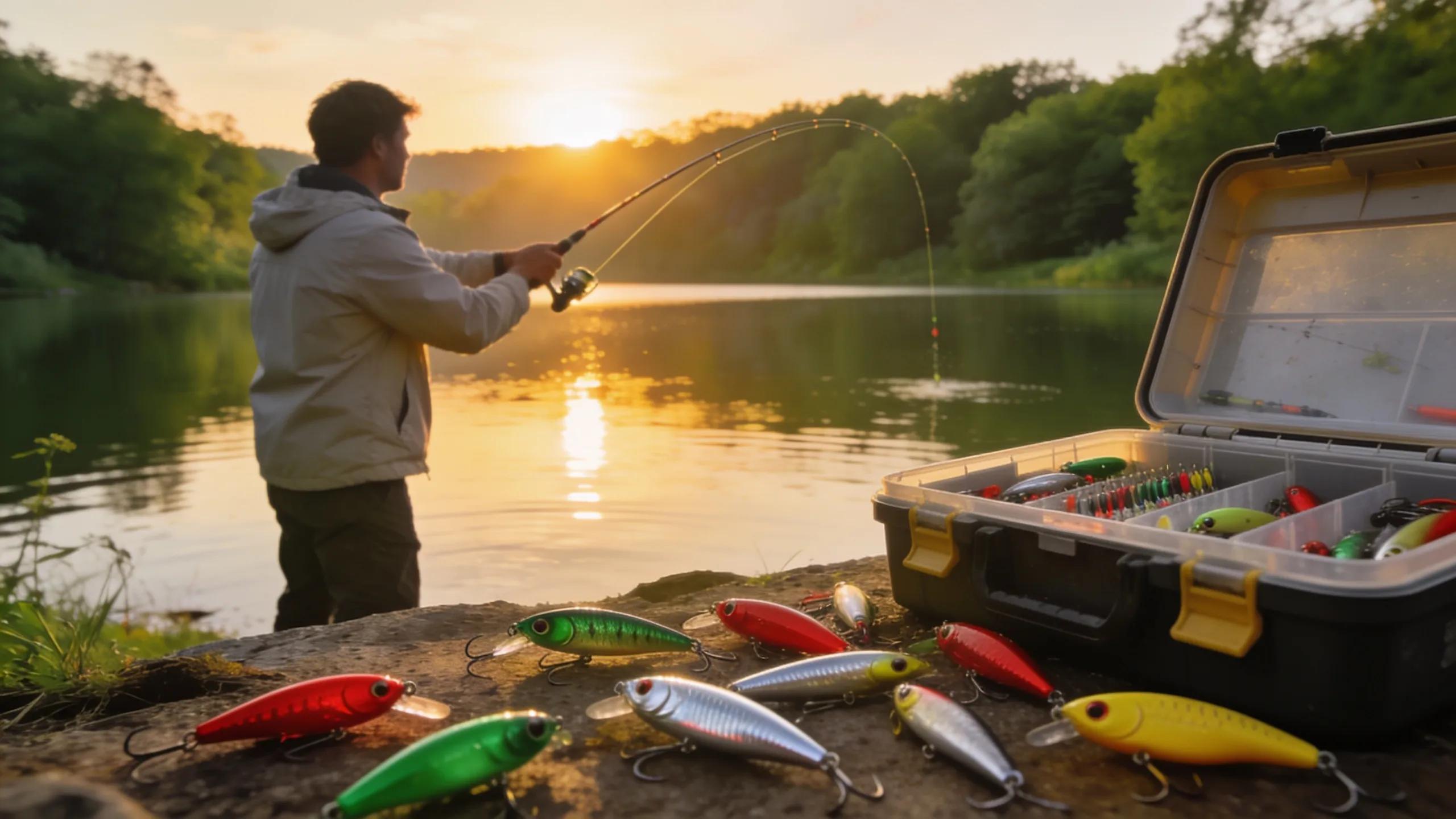
Different species and water types require specific tactics and the right gear to maximize your fishing success. This guide explains how to pick lures suited to your target fish, apply effective techniques tailored for various environments, and prepare tackle that enhances your catch rates and fishing experience. Whether you’re a beginner just starting out or an experienced angler looking to refine your approach, these practical tips serve to boost your confidence and results on the water.

Key Takeaways

  • Use appropriate bass lures—soft plastics, topwater baits, and crankbaits—to improve catch rates by targeting fish behavior and habitat.
  • Match lure color and style to water clarity and temperature, adapting to seasonal changes that influence fish activity.
  • Topwater lures excel at dawn, dusk, or on overcast days when bass feed near the surface, offering thrilling strike opportunities.
  • Essential tackle includes versatile rods designed for specific actions, reliable reels ensuring smooth retrieval, organized tackle boxes for quick access, and the right line suited for conditions and presentation.
  • Regular maintenance and proper storage extend tackle life and performance, preventing gear failures during critical fishing moments.
  • Crankbaits cover water quickly, ideal for locating active fish; jigs provide precise presentations around structure where bass hide.
  • Adjust jig speed and target rocky features during morning and evening to exploit bass feeding patterns and increase strike efficiency.
  • Understanding species-specific strategies, including feeding habits and seasonal movements, increases adaptability across diverse fishing conditions.

What are the Best Bass Lures for Beginners?
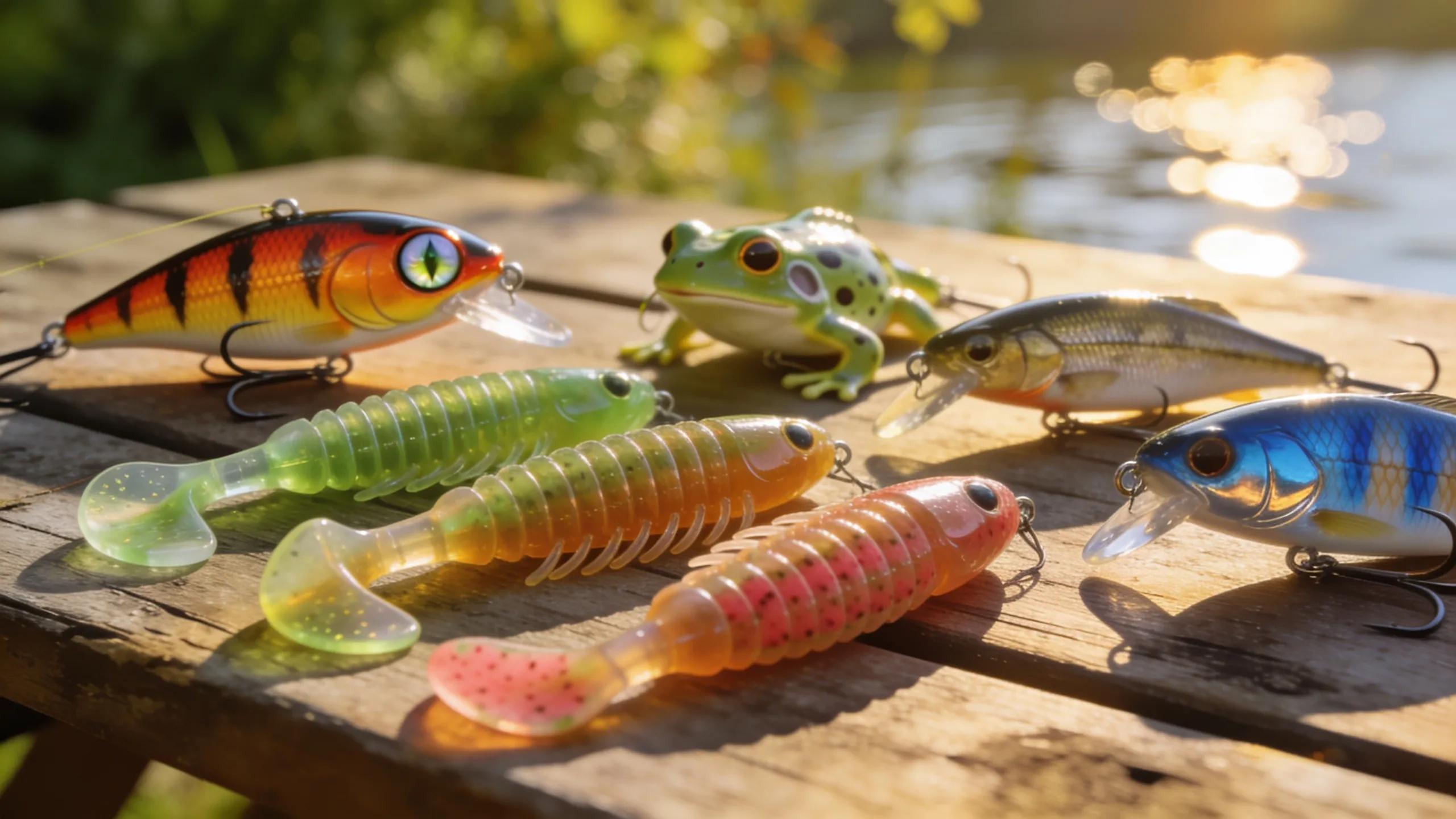
Picking the right bass lures makes a clear difference in catch success and enjoyment. Soft plastics, topwater lures, and crankbaits each work best in distinct situations, replicating natural prey movements and provoking strikes. Look for lures that have natural motion, suitable size relative to local forage, and colors that complement current water conditions for maximum effectiveness.

  • Soft Plastics: Highly versatile for many setups—Texas rigs work well in heavy weeds, Carolina rigs excel at covering deeper water with fluttering tails mimicking crawfish or baitfish, and finesse setups can entice pressured fish in clear water.
  • Topwater Lures: Designed to create surface commotion such as popping, walking, or buzzing, they trigger explosive strikes especially effective around low light periods or when bass aggressively feed at the surface.
  • Crankbaits: Ideal for covering large areas quickly; designs vary to reach specific depths and mimic different prey types. They can provoke reaction strikes and are a staple for locating active bass over rocky or submerged structure.

These lure options provide a solid foundation for beginners and continue to be useful as angling skills improve, allowing experimentation with retrieve speeds, pauses, and target habitats.

How to choose bass lures based on fishing conditions?

Successful lure selection hinges on understanding the environmental context such as water clarity, temperature, and seasonal fish behavior, then matching lure characteristics accordingly.

  • Water Clarity: In murky or stained water, brighter colors or lures with built-in rattles improve visibility and attract attention; in clear water, choose natural hues that mimic local forage to avoid spooking fish.
  • Temperature Effects: During warm months, fast-moving lures can trigger aggressive strikes; in cold water, slower, subtler presentations with suspending or steady retrieves align better with lethargic bass.
  • Seasonal Baits: Adjust your lure types according to seasonal patterns—using active baits during pre-spawn, slow presentations post-spawn, and matching forage species during feeding seasons enhances effectiveness.

By aligning your lure choice with current conditions, you increase your chances of connecting with bass and enjoying productive fishing outings.

How Can Topwater Lure Techniques Improve Bass Fishing Success?
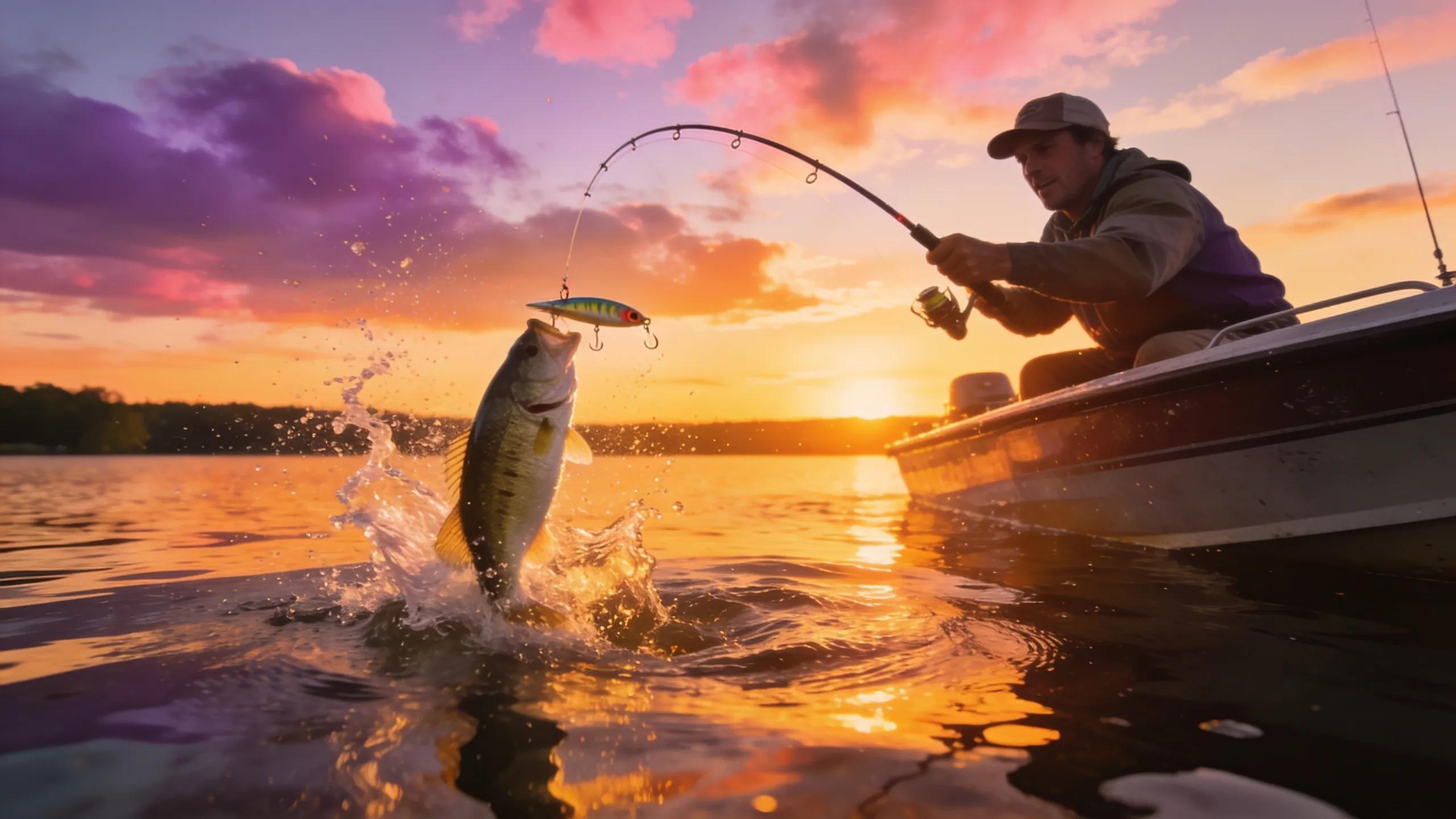
Topwater lures provoke surface strikes through disturbance, sound, and visual cues that excite bass into aggressive attacks. Proper retrieval timing, varied actions such as pauses or twitches, and matching lure selection to environmental conditions greatly determine your success. Mastering topwater techniques offers some of the most thrilling angling experiences, with explosive strikes visible on the water.

Use topwater lures at dawn, dusk, and on cloudy days when bass patrol near the surface to increase hookup chances, exploiting their natural hunting instincts when prey is accessible.

When and where should anglers use topwater lures?

Topwater lures are most effective at dawn and dusk, targeting shallow, weedy spots or areas over submerged structure where bass seek prey. Overcast weather often enhances surface activity by reducing light penetration and encouraging bass to feed more aggressively near the surface.

  • Best Times: Early morning and late evening provide low-light conditions that increase bass willingness to strike topwater lures.
  • Water Types: Shallow, vegetation-rich areas and flats near cover such as fallen trees, docks, or brush piles offer prime ambush points.
  • Weather: Cloudy skies and low pressure conditions often elevate topwater feeding behaviors.

Targeting these windows and environments with carefully selected lures and techniques increases the odds of exciting surface strikes and successful hookups.

What Fishing Tackle Essentials Should Every Angler Know?

Good fishing pairs skill with the right gear, creating a foundation for consistent success. Packing essential tackle suited to the target species and fishing conditions prepares you to handle common situations and maximize enjoyment.

Key tackle categories should include:

  • Fishing Rods: Choose a rod matched to your target species and fishing style—medium to light action rods for bass offer versatility to handle a range of lures and presentations, balancing sensitivity and casting control.
  • Fishing Reels: Use reliable reels with smooth drag systems that allow precise control over line retrieval, reducing missed strikes and line breaks.
  • Tackle Boxes: Keep lures, hooks, lines, and accessories organized for quick changes on the water, enabling adaptability without downtime.
  • Fishing Lines: Monofilament is forgiving and excellent for beginners or topwater setups; braided line provides superior strength and sensitivity, especially in heavy cover—choose line type, test strength, and color based on your fishing environment and lure choice.

Having these basics prepared equips you for varied fishing styles and improves your on-water efficiency, enabling focused, confident angling.

How to maintain and prepare fishing tackle for peak performance?

Routine care prevents equipment failures and preserves optimal performance, ensuring your gear is ready for every trip and prolonging its lifespan.

  • Cleaning: After each fishing session, rinse rods, reels, and lures with fresh water to remove salt, dirt, and grime which can cause corrosion or damage over time.
  • Inspection: Regularly check lines for abrasions, hooks for sharpness, and lures for damage; replace worn or damaged components promptly to avoid losing fish.
  • Storage: Store rods upright to prevent warping, keep lures dry and organized to avoid rust and tangles, and protect reels from dust and moisture.

Consistent maintenance keeps your gear reliable, reduces unexpected failures, and makes each fishing trip more enjoyable and productive.

What are Effective Crankbait and Jig Fishing Strategies?

Crankbaits and jigs are complementary lure types in bass fishing with distinct advantages. Crankbaits are excellent for covering water rapidly to locate active fish by diving to various depths, while jigs provide precise presentations that entice bass hiding around specific structures such as rock piles, drop-offs, or submerged timber.

By varying retrieval speed, depth, and action with crankbaits, you can systematically probe habitat to locate feeding bass. Jigs, often paired with soft plastic trailers, allow a slower, more methodical approach targeting ambush points with lifelike movement to provoke strikes.

What jig fishing techniques maximize catch rates?

Deliberate, varied jig movements simulate prey and trigger aggressive strikes, increasing catch success when adjusted properly.

  • Jig Movements: Change lift height, pause duration, and retrieve speed to match fish response and water conditions; subtle twitches can entice hesitant bass.
  • Best Locations & Times: Focus on fishing rocky structure, submerged ledges, and underwater obstacles during the morning and evening when bass actively feed.
  • Evaluating Effectiveness: If a jig is ignored, experiment by tweaking its size, color, or action pattern until fish show interest—adapt based on water clarity and forage availability.
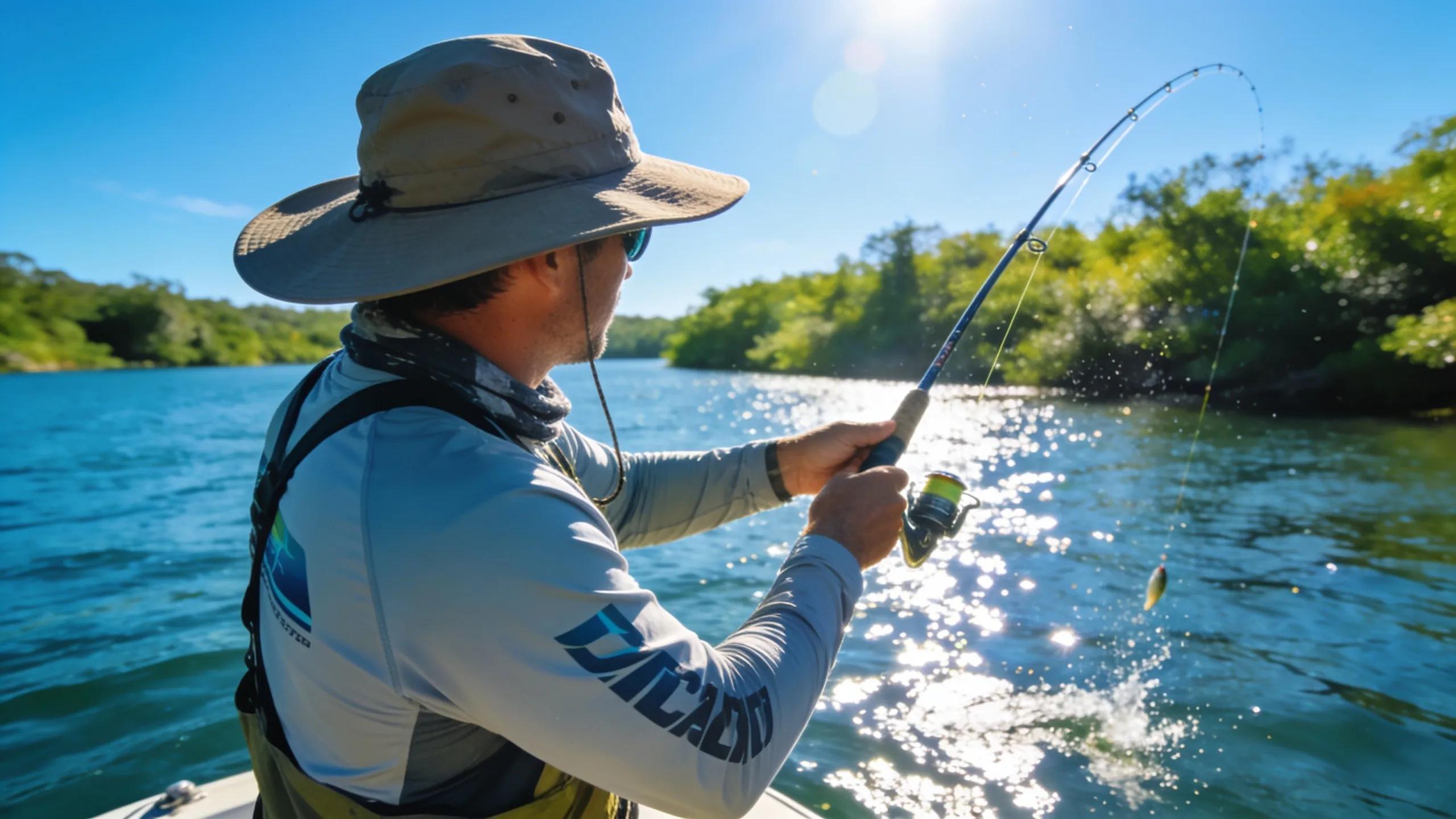
These thoughtful adjustments combined with patience greatly improve jig fishing results and contribute to memorable catches.

Frequently Asked Questions

1. What should beginners consider when selecting fishing gear?

Start simple with a medium-action rod that offers versatility across various techniques, paired with an easy-to-use spinning reel designed for smooth operation. Use a basic tackle box to keep gear organized and choose monofilament line for its forgiving nature when learning casting and retrieval. Always check local fishing regulations and license requirements, and match your gear to the common species in your area to increase effectiveness and compliance.

2. How do I know which fishing spot is best for bass?

Look for natural or artificial cover such as submerged plants, rocks, fallen timber, or man-made structures that provide shelter and ambush points for bass. Depth changes like drop-offs, ledges, and points often concentrate fish. Utilize local fishing reports, apps, or advice from experienced anglers to identify promising locations. Early morning and late evening usually produce the best action as bass move to feed in shallower areas.

3. Can weather conditions affect bass fishing?

Yes. Overcast skies often increase bass activity by providing lower light conditions that encourage surface feeding. Rain can stimulate feeding but always consider safety first when fishing under storm conditions. Monitoring barometric pressure and weather patterns can help you anticipate feeding behavior and plan your fishing sessions accordingly for better success.

4. How can I improve my casting technique?

Use a balanced stance with feet shoulder-width apart and a relaxed grip on your rod. Practice a smooth forward casting motion with a steady acceleration and release the line at the correct point for accurate placement. Regular practice at varied distances and under different conditions builds muscle memory, enhances accuracy, and reduces fatigue.

5. Are there specific baits for different seasons?

Yes. Spring typically favors soft plastics and jigs used near spawn zones to mimic emerging prey. Summer suits faster-moving crankbaits and topwater baits that trigger reaction strikes during warmer, more active periods. Fall calls for slower, deeper presentations to match the behavior of bass preparing for winter, often focusing on baitfish imitations.

6. How do I know if my lure is effective?

Observe fish behavior closely while presenting your lure. If fish follow but don’t strike, try changing your retrieval speed, adjusting the angle, or switching colors to better match the forage. If you are getting bites but missing hookups, focus on improving presentation techniques and terminal tackle such as hook sharpness and hook size for better penetration.

Conclusion

Mastering tackle and lure strategies tailored by species and conditions enhances both success and enjoyment on the water. By understanding how to select appropriate lures, apply effective techniques, and maintain quality tackle, you position yourself to consistently improve catches throughout seasons and varied environments. Apply these tips on your next fishing trip, remain adaptable, and continue refining your choices to broaden your skills and enjoy more memorable angling experiences.

0 Comments

Submit a Comment

Your email address will not be published. Required fields are marked *

Related posts

Fishing Apparel: Sun Protection and Comfort

Fishing Apparel: Sun Protection and Comfort

By Martin Lotz, Lotz OutdoorsProper fishing apparel that balances sun protection and comfort is essential for anglers who spend long hours outdoors. The right gear improves performance and shields you from harmful UV rays. This article explains what makes fishing...

read more
Marine Batteries,Chargers & Power Management

Marine Batteries,Chargers & Power Management

By Martin Lotz, Lotz OutdoorsMarine batteries and basic power management keep your boat dependable. Battery types serve distinct roles—from starting engines to powering electronics—and each needs appropriate care and charging to perform well and last. This guide...

read more