Essential Hunting Apparel: Master Layering for Success

by | Jul 2, 2026 | 85 | 0 comments

Hunting Apparel: Essential Layering Systems and Camouflage Strategies for Successful Deer Hunting

Hunting successfully requires understanding various elements, with apparel being a critical factor. The right hunting apparel enhances comfort and effectiveness in the field and also supports important aspects such as thermal regulation and camouflage. This article delves into the essential layering systems and camouflage strategies that contribute to successful deer hunting. Many hunters struggle with maintaining warmth, mobility, and stealth while also ensuring they are effectively concealed. This guide will equip hunters with strategies for selecting the right layers, understanding camouflage patterns, and optimizing their overall hunting attire. The discussion will cover key layers in hunting apparel, the best outer layers, effective camouflage patterns, and essential accessories to ensure a successful hunt.

What Are the Key Layers in a Hunting Layering System?

A hunting layering system typically consists of three primary layers: base layers, mid layers, and outer layers. Each layer plays a distinct role in comfort, performance, and managing environmental challenges during a hunt. The layering strategy allows hunters to adapt to fluctuating temperatures and varying activity levels. Choosing the right materials for each layer can significantly impact performance, such as moisture management and thermal regulation, which are essential for maintaining body heat in cold conditions. Understanding the functions of each layer aids in enhancing overall hunting performance.

How Do Base Layers Improve Thermal Regulation and Moisture Wicking?

Base layers are crucial for thermal regulation as they sit directly against the skin. They are designed to wick moisture away from the body, keeping hunters dry and comfortable. When clothing retains moisture, it can lead to a drop in body temperature, particularly in cold weather. Common materials for base layers include merino wool and synthetic fabrics, known for their moisture-wicking properties and insulating capabilities. These materials help regulate body temperature by maintaining heat and ensuring sweat evaporates quickly, providing a significant advantage during active hunting situations.

What Are the Benefits of Mid Layers for Insulation and Quiet Movement?

Mid layers serve as insulation and buffer between the base and outer layers, significantly contributing to warmth. These layers are often crafted from materials like fleece or down, providing excellent heat retention without adding excessive bulk. Apart from insulation, mid layers also focus on mobility, as they should allow for a full range of motion while hunting. Using silent fabrics, such as brushed fleece, can help minimize noise when moving through dense woods, which is crucial for remaining undetected during hunting.

How to Choose the Best Outer Layers: Waterproof and Insulated Hunting Jackets
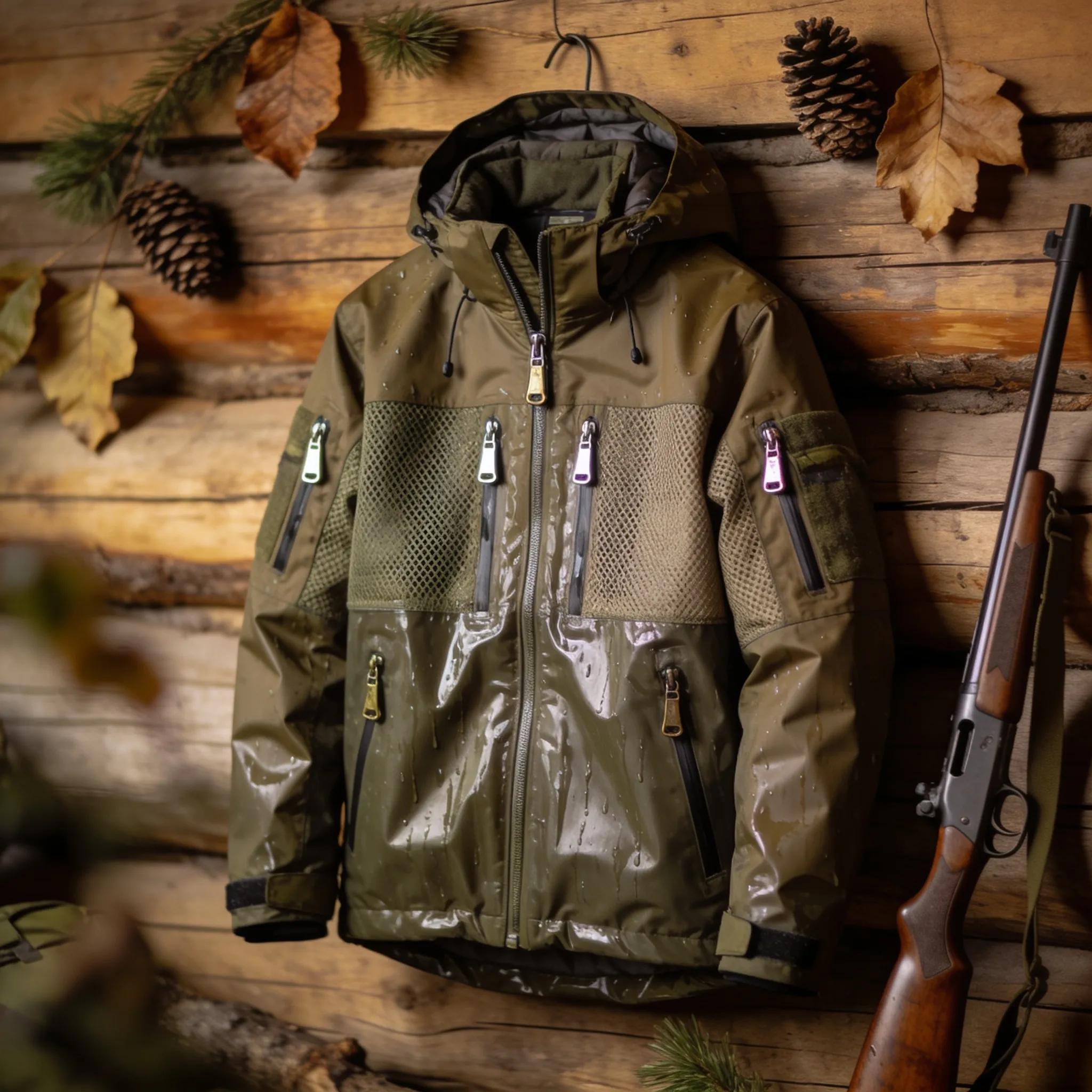
Outer layers protect hunters from the elements, combining waterproof capabilities with insulation for cold conditions. When selecting outer layers, consider the specific weather conditions you will face. Look for jackets that offer breathable materials to ensure moisture does not build up inside, leading to discomfort. It’s essential to select garments with features like adjustable cuffs, hoods, and ventilation systems to customize fit and comfort throughout the hunt.

What Fabric Technologies Ensure Weather Resistance and Breathability?

Numerous fabric technologies enhance the performance of hunting jackets. For instance, GORE-TEX is a well-known waterproof and breathable fabric that keeps moisture out while allowing sweat to escape. Other technologies, like laminated layering, ensure minimal bulkiness while maintaining high functionality. When assessing fabric choices, hunters should look for those that balance warmth, breathability, and waterproofing to remain comfortable under various weather conditions.

When to Use Insulated Hunting Clothes for Cold Weather Conditions?

Insulated hunting clothes are critical when temperatures drop significantly. These garments are specifically designed to trap heat. Hunters should consider using insulated layers in conditions where temperature dips below 32°F (0°C) or during longer periods of inactivity, such as sitting in a blind. It’s necessary to layer effectively, using insulated options combined with moisture-wicking base layers to ensure warmth without sacrificing mobility.

The innovation in new materials and clothing structures is vital for creating lightweight and flexible apparel that offers superior thermal regulation.

Advanced Materials for Thermal Management in Apparel

Recent advances in the clothing for thermal management have opened up prospects for exploration of its fundamental physical properties and practical applications to humans. Heat transfer between human skin and environment is mainly dependent on the synergetic effect of environment temperature, atmosphere motion, mean radiant temperature, relative humidity and the clothing. New materials and structures should be exploited to fabricate advanced textiles and clothing having light weight and flexibility as well as excellent thermal management.

Review of clothing for thermal management with advanced materials, B Su, 2019

Which Camouflage Patterns Work Best for Deer Hunting? Deer Vision and Pattern Selection Tips
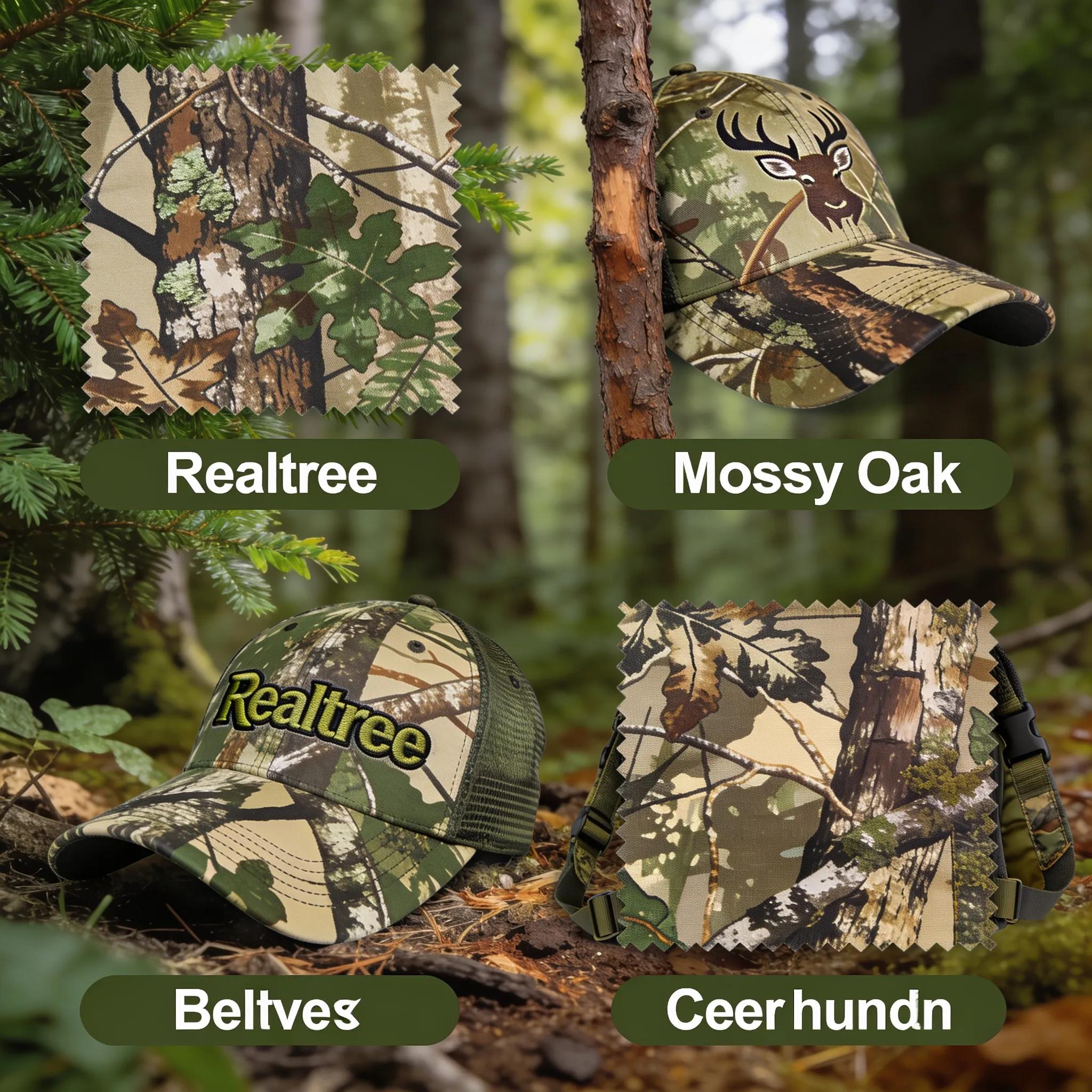
Choosing the right camouflage pattern is vital to ensure concealment from deer. Understanding how deer perceive their environment can significantly enhance the subtlety of hunting apparel. Deer vision differs from human vision; they see colors predominantly in shades of blue and yellow, making certain camouflage designs more effective. Patterns that incorporate natural elements, such as leaves and branches, often blend well into forest settings.

How Does Deer Eye Color Spectrum Affect Camo Pattern Effectiveness?

Deer possess dichromatic vision, meaning they have two types of photoreceptors, which allows them to see colors differently than humans. They are particularly sensitive to wavelengths of light that fall into the blue and yellow spectrums. Camouflage patterns that mimic these colors typically perform better, as they blend seamlessly into the environment. This understanding guides hunters in selecting patterns that avoid bright hues that may stand out to deer.

Optimizing camouflage coloration depends on understanding an animal’s perceptual space in a given natural environment.

Optimizing Camouflage Coloration in Natural Environments

Avoiding detection can provide significant survival advantages for prey, predators, or the military; conversely, maximizing visibility would be useful for signalling. One simple determinant of detectability is an animal’s colour relative to its environment. But identifying the optimal colour to minimize (or maximize) detectability in a given natural environment is complex, partly because of the nature of the perceptual space. Optimizing colour for camouflage and visibility using deep learning: the effects of the environment and the observer’s visual system, L Talas, 2019

What Are Popular Camo Patterns Like Realtree and Mossy Oak?

Popular camouflage patterns like Realtree and Mossy Oak are designed to break up the outline of the hunter while integrating with natural backdrops. Realtree offers a range of camouflage patterns optimized for various terrains, from hardwoods to wetlands. On the other hand, Mossy Oak primarily focuses on natural elements found in the forest environment, effectively disguising hunters. Each of these patterns has shown effectiveness in the field, making them popular choices among hunters.

What Are the Best Hunting Accessories to Complete Your Layering and Camouflage Setup?

Accessories play an essential role in maximizing the effectiveness of your hunting apparel. The right gear should complement your layering and camouflage strategy, enhancing comfort and stealth. Consider investing in specialized hunting accessories designed for optimal performance in the field.

How Do Silent Fabrics and Face Paint Improve Concealment?

Using silent fabrics in accessories, like gloves and hats, enhances stealth by reducing noise while moving. Face paint also serves as an integral component of effective camouflage; it breaks up the outline of a hunter’s face, making them less visible. When combined with the appropriate garments, these accessories ensure that hunters remain undetected, optimizing their hunting success.

Which Gloves and Boots Enhance Comfort and Functionality?

Choosing gloves and boots designed specifically for hunting is vital for comfort and performance. Look for gloves that offer a balance of warmth and dexterity, allowing for precise movement during impactful moments. Similarly, boots should provide adequate insulation, waterproofing, and traction for navigating various terrains comfortably. Ensuring that both gloves and boots fit well avoids discomfort that could detract from focus during a hunt.

How Can Layering and Camouflage Strategies Increase Hunting Success?

Effective layering techniques and camouflage strategies greatly impact hunting success. Proper clothing choices help maintain warmth, promote mobility, and provide effective concealment from game species. These factors contribute to a hunter’s ability to remain undetected and comfortable while in pursuit.

Can Proper Layering Improve Warmth, Mobility, and Stealth?

Layering can significantly enhance a hunter’s ability to stay warm while allowing them to move freely. By utilizing a layering system that adapts to changing conditions, hunters can manage their temperature and stay comfortable throughout the duration of their hunt. This strategic approach also plays a role in remaining stealthy, as the appropriate clothing materials can reduce noise and visual detection.

What Tips Help Hunters Stay Warm and Silent in the Field?

  • Opt for lightweight, moisture-wicking base layers that dry quickly and retain body heat.
  • Invest in high-quality mid layers made from insulating materials that reduce noise during movement.
  • Use outer layers with windproof and waterproof features to shield against the elements.

By carefully selecting and layering clothing, hunters can effectively manage comfort levels while maximizing stealth and increasing their chances for success.

Frequently Asked Questions

What is the importance of layering for different weather conditions in hunting?

Layering is crucial as it allows hunters to adapt their clothing to varying weather conditions. For colder climates, a well-structured layering system helps trap heat while providing flexibility to remove layers when temperatures rise. Conversely, hunting in warmer weather necessitates lighter, moisture-wicking materials to enhance comfort. Adapting layers according to the season not only ensures that hunters remain comfortable but also effective in maintaining stealth and thermal regulation during their hunts.

How can wearing the wrong hunting apparel impact a hunting trip?

Wearing inappropriate hunting apparel can seriously hinder a hunter’s experience. For example, lacking insulation can lead to hypothermia in cold weather, while wearing overly bulky clothes may limit mobility and stealth. Additionally, apparel that fails to provide adequate camouflage could make hunters more visible to their prey, ultimately jeopardizing the success of the hunt. It’s essential to choose the right clothing to avoid these pitfalls and to enhance both comfort and effectiveness in the field.

Are there specific features to look for in hunting boots?

When selecting hunting boots, consider features such as insulation, waterproofing, and traction. Insulation is vital for cold weather to keep feet warm, while waterproof materials protect from rain and moisture. Traction is crucial for navigating various terrains safely. Additionally, boots should fit well and provide comfort during long hours of wear, minimizing fatigue. A good pair enhances overall mobility and can contribute significantly to the success of a hunt.

How do camouflage patterns vary by environment for deer hunting?

Camouflage patterns are often tailored to the specific environments in which hunters operate. For instance, hunting in dense forests may require patterns that mimic natural foliage, whereas open fields might benefit from lighter tones that blend with grass. Understanding the hunting grounds’ dominant colors and textures aids in selecting the most effective camouflage. Matching patterns to their surrounding environment is essential for minimizing visibility and improving hunting success.

What accessories are recommended to enhance hunting apparel?

Essential accessories include gloves, hats, and face paint that improve camouflage and comfort. Silent fabrics in gloves help minimize noise during movement, while face paint disrupts the hunter’s outline, enhancing concealment. Furthermore, neck gaiters or balaclavas can protect against wind and cold. Ensuring these accessories fit well and are compatible with your overall layering system will bolster stealth and warmth, significantly enhancing the hunting experience.

What are the advantages of moisture-wicking fabrics in hunting apparel?

Moisture-wicking fabrics are essential as they help maintain a hunter’s comfort by drawing sweat away from the skin. Staying dry is critical for thermal regulation, especially in cooler temperatures, as moisture retention can lead to chilling and discomfort. These fabrics are often lightweight and quick drying, thus allowing hunters to stay active without feeling weighed down. Selecting moisture-wicking base layers can significantly enhance overall performance during hunts.

Conclusion

Choosing the right hunting appareland layering system is essential for achieving comfort, warmth, and stealth during hunts. By utilizing the appropriate layers and effective camouflage patterns, hunters can significantly increase their chances of a successful outing. Don’t miss out on maximizing your hunting experience; explore our selection of specialized hunting clothing and accessories today. Equip yourself with the gear that enhances your performance and ensures you’re prepared for any condition in the field.

0 Comments

Submit a Comment

Your email address will not be published. Required fields are marked *

Related posts

Fishing Tackle & Lure Strategies by Species

Fishing Tackle & Lure Strategies by Species

By Martin Lotz, Lotz OutdoorsDifferent species and water types require specific tactics and the right gear to maximize your fishing success. This guide explains how to pick lures suited to your target fish, apply effective techniques tailored for various environments,...

read more
Fishing Apparel: Sun Protection and Comfort

Fishing Apparel: Sun Protection and Comfort

By Martin Lotz, Lotz OutdoorsProper fishing apparel that balances sun protection and comfort is essential for anglers who spend long hours outdoors. The right gear improves performance and shields you from harmful UV rays. This article explains what makes fishing...

read more