Essential First Aid and Survival Gear for Campers: Complete Kits and Emergency Essentials to Stay Safe Outdoors
Camping offers an incredible opportunity to enjoy nature and escape the hustle and bustle of daily life; however, it also presents unique challenges that require proper preparation, especially concerning health and safety. This article delves into the essential first aid and survival gear every camper should pack to ensure a safe and enjoyable outdoor experience. You’ll learn about critical medical supplies, how to choose durable and lightweight gear, effective usage of first aid kits during emergencies, and more. Each section provides indispensable knowledge for preventing risks and treating injuries, as well as valuable checklists for comprehensive preparedness.
Understanding the intricacies of a camping first aid kit, survival gear, and preventive safety tips can be the difference between a fun outing and a dangerous situation. The main sections include must-have components of a camping first aid kit, tips for selecting survival gear, and specific actions for common camping injuries. We’ll also cover how to build a complete survival kit, choose eco-friendly gear, and the best practices for avoiding injuries in the wilderness.
What Are the Must-Have Components of a Camping First Aid Kit?
A camping first aid kit is an essential component of any outdoor excursion. It is designed specifically to address injuries and emergencies that may arise in remote settings, where immediate access to medical assistance is not available. These kits should be comprehensive yet portable, ensuring campers can carry them without burden.
Which medical supplies should every portable first aid kit contain?
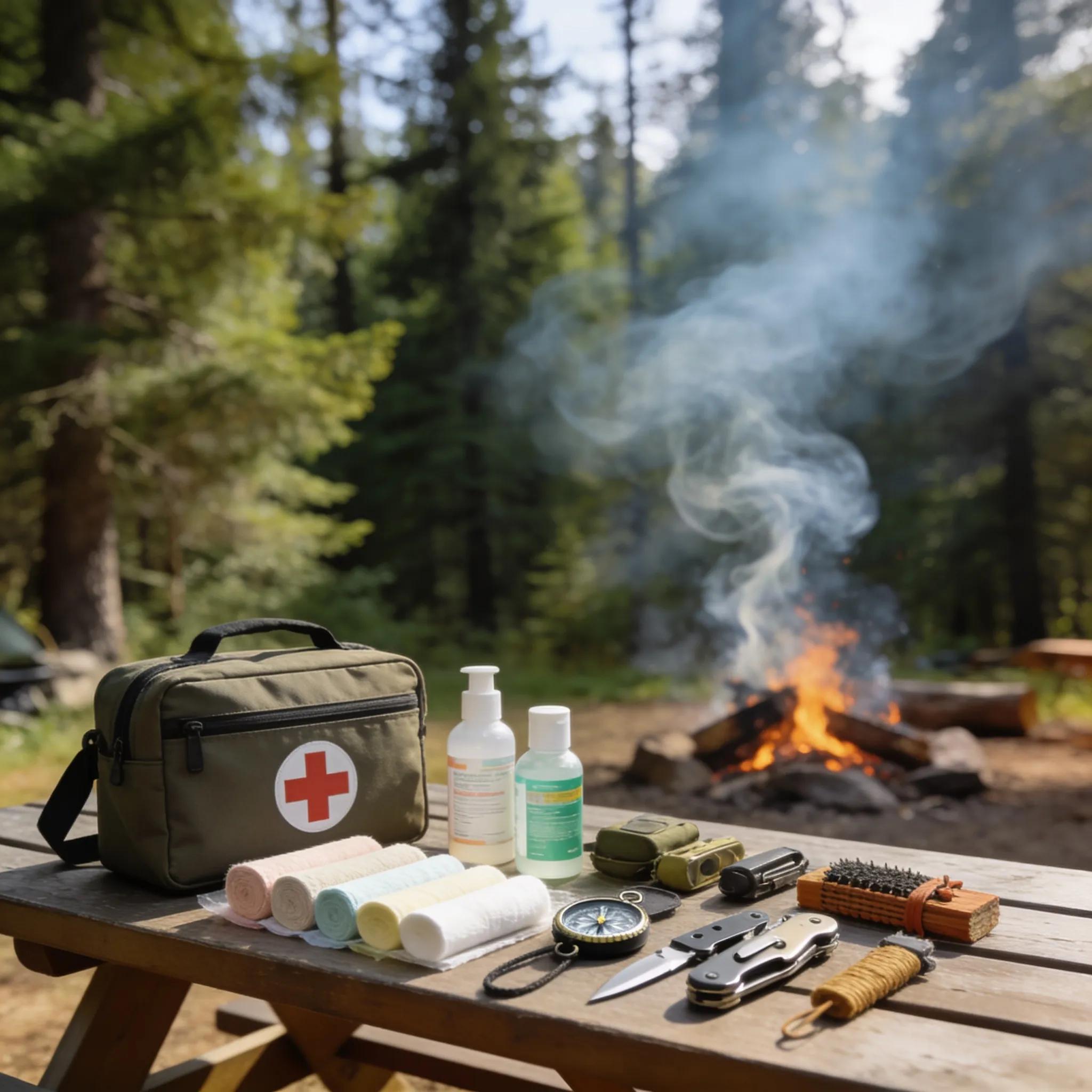
Every portable first aid kit should include a range of medical supplies tailored to potential camping injuries. Key items are:
- Bandages: Various sizes to accommodate cuts and scrapes.
- Antiseptics: Alcohol wipes or antiseptic spray to clean wounds and prevent infections.
- Pain relief medications: Acetaminophen or ibuprofen to manage pain or reduce fever.
- Elastic bandages: For sprains and strains, offering support and compression.
- Adhesive tape: To secure bandages and dressings effectively.
These components ensure that campers are equipped to handle common injuries, providing immediate care while waiting for further assistance.
How do camping-specific bandages, antiseptics, and splints differ from general supplies?
Camping-specific supplies are designed with specific functionalities that enhance durability and effectiveness in demanding outdoor conditions. For example, camping bandages may be waterproof to maintain adhesion in damp environments, while antiseptics might come in single-use packets to reduce bulk and keep them sterile. Splints are often made from lightweight, flexible materials that provide support without adding unnecessary weight, tailored to protect injuries sustained during hiking or similar activities.
How to Select Durable and Lightweight Survival Gear for Outdoor Emergencies?
Selecting the right survival gear is crucial for outdoor emergencies, as it must be both durable and lightweight to facilitate easy transport. The right gear can significantly enhance a camper’s ability to navigate unexpected challenges in the wild.
What features make survival tools waterproof and compact for campers?
Key features of effective survival tools include:
- Waterproof materials: To keep gear dry and operational in adverse weather.
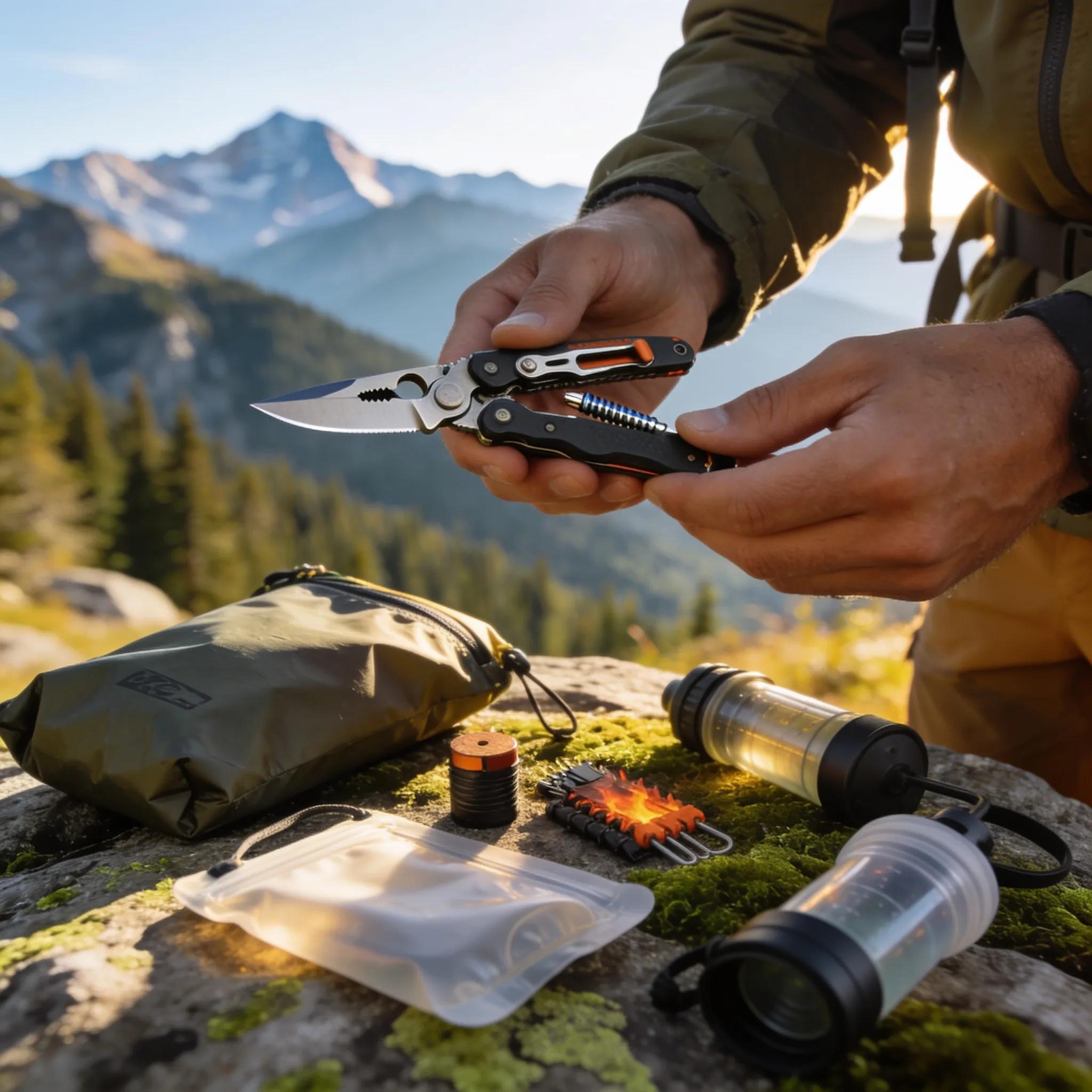
- Compact design: Tools like multi-tools or foldable items save space and weight.
- Lightweight construction: Materials such as aluminum or high-strength plastics reduce overall pack weight.
- Versatility: Tools that can serve multiple functions—like a knife that can also open bottles—provide more value in emergencies.
These features ensure campers have reliable tools in unpredictable situations without being weighed down by excessive gear, allowing for agile movement across various terrains.
Which multifunctional survival items best enhance emergency preparedness?
Multifunctional survival items amplify preparedness. Essential gear includes:
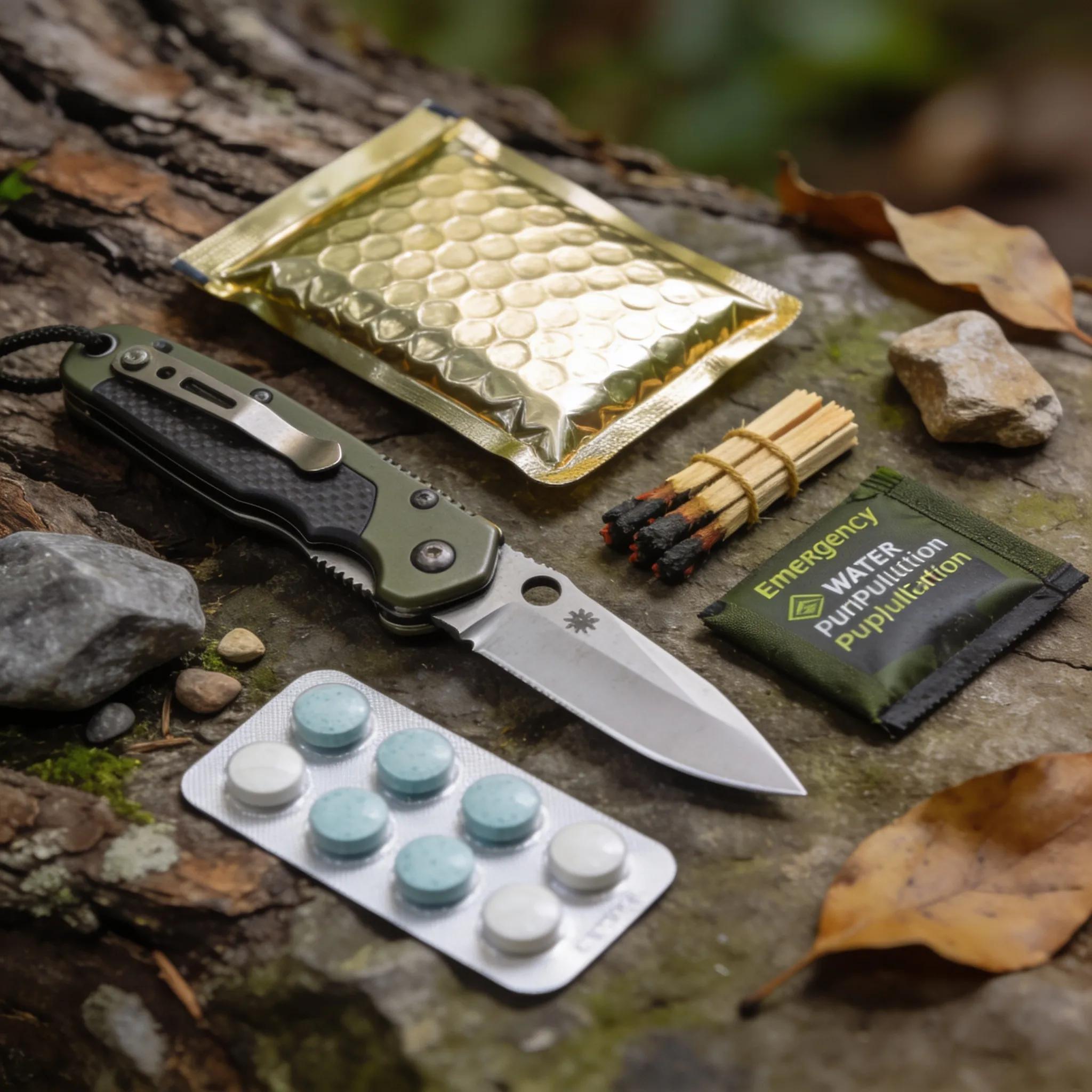
- Multi-tools: These compact gadgets can serve as knives, screwdrivers, and can openers.
- Emergency blankets: Lightweight thermal blankets that retain body heat in emergencies.
- Fire starters: Compact kits that can ignite fires quickly, which is essential for warmth and cooking.
- Water purification tablets: Allow for safe drinking water extraction from non-potable sources.
These tools not only save space but also enhance campers’ readiness for diverse emergencies, contributing to overall safety and comfort in outdoor settings.
How Can Campers Use First Aid Kits Effectively During Wilderness Emergencies?
Using a first aid kit effectively during wilderness emergencies requires knowledge of proper procedures for various injuries. Readiness to act can significantly impact health outcomes in critical situations.
What are step-by-step first aid actions for common camping injuries?
Steps to follow for common injuries include:
- Wound cleaning: Gently rinse with clean water, then apply antiseptic.
- Dressing a wound: Use a sterile bandage to cover the area and apply adhesive tape.
- Managing sprains: Follow the R.I.C.E method (Rest, Ice, Compression, Elevation) to minimize swelling.
- When to seek help: If a wound is deep, bleeding excessively, or shows signs of infection, seek professional assistance immediately.
Understanding these steps ensures campers can provide immediate care, minimizing complications until professional help is available.
How to treat specific outdoor risks like animal bites and hypothermia in the wild?
When faced with serious risks, specific steps are essential:
- Animal bites: Clean the bite area vigorously with soap and water, apply an antiseptic, and seek medical attention, especially if the animal is wild.
- Hypothermia: Assess the person's state, provide warmth with blankets or extra clothing, and have them consume warm liquids to stabilize body temperature.
Prompt and appropriate responses to these conditions can prevent further injury and facilitate recovery.
What Survival Gear Checklist Should Every Camper Carry for Safety?
A well-crafted survival gear checklist ensures that campers are prepared for all contingencies. This guideline promotes readiness and enhances overall safety in outdoor adventures.
How to build a comprehensive camping survival kit including blankets and fire starters?
When assembling a survival kit, include:
- Emergency blanket: Lightweight and retains heat.
- Water purification tablets: Ensures safe drinking water.
- Fire starters: For rapidly starting campfires.
- First aid supplies: Comprehensive kits to manage injuries.
These items provide essential support in emergencies, covering immediate needs for shelter, hydration, and warmth.
Why is emergency shelter gear essential alongside medical supplies?
Emergency shelter gear complements medical supplies by providing protection from environmental hazards. Just as a first aid kit addresses health-related issues, shelter gear helps in maintaining body temperature and protection from the elements, significantly increasing a camper’s survival chances.
How to Choose Sustainable and Waterproof First Aid and Camping Gear?
Choosing sustainable and waterproof gear enhances both ecological responsibility and personal safety during outdoor activities. Eco-friendly options reduce environmental impact while ensuring durability.
What environmentally friendly materials improve gear durability?
Key materials that enhance durability in camping gear include:
- Recycled plastics: Reduce waste while providing robust functionality.
- Organic cotton: Used in items like tents and clothing for a smaller ecological footprint.
- Biodegradable fabrics: Gradually decompose, minimizing long-term environmental impacts.
These materials ensure that gear remains functional while supporting sustainable practices.
How does waterproof design enhance first aid kit reliability in outdoor conditions?
Waterproof designs for first aid kits ensure contents remain protected from moisture, which is critical for maintaining the integrity of medical supplies. Heavy-duty zippers, sealed seams, and waterproof outer layers all contribute to preserving the functionality of the materials inside, thus ensuring campers can access effective treatments despite exposure to harsh weather.
What Preventive Safety Tips Can Campers Follow to Avoid Outdoor Injuries?
Awareness and preparation are key to avoiding outdoor injuries. Knowing the risks and necessary precautions can vastly improve safety while enjoying nature’s beauty.
How does awareness of wilderness injury statistics improve preparation?
Familiarity with wilderness injury statistics highlights common hazards, such as slips, falls, and animal encounters. Understanding these risks promotes proactive planning, motivating campers to take necessary precautions such as proper footwear, practicing situational awareness, and avoiding risky behaviors.
Which precautions reduce risks and improve survival outcomes during camping trips?
Precautions to consider include:
- Pre-camping preparations: Plan routes and familiarize with the area.
- On-site awareness: Stay alert to surroundings and environmental changes.
- First aid training: Being knowledgeable in basic first aid can save lives.
Implementing these measures improves overall safety while camping, ensuring enjoyable experiences in nature without unnecessary risks.
Frequently Asked Questions
1. What should I look for in a reliable first aid kit when camping?
A reliable first aid kit for camping should include essential medical supplies such as sterile bandages, antiseptics, pain relievers, and specialized items like elastic bandages for sprains. It’s crucial that the kit is portable, easy to access, and waterproof to protect its contents from moisture. Checking for a clear guide on injury handling included in the kit can also enhance its usability during emergencies.
2. How should I store my first aid kit while camping?
Store your first aid kit in an easily accessible location, ideally in a waterproof container or pouch. This ensures that when an emergency arises, you can quickly reach it without rummaging through your equipment. It’s also advisable to keep it in your main camping backpack or near your tent, reducing the time needed to locate it if an injury occurs.
3. Can I use my home first aid kit for camping trips?
While you can use your home first aid kit for camping, it’s important to customize it for outdoor conditions. Ensure it includes portable, waterproof items and supplies that address specific risks associated with camping. Moreover, consider the weight and size, as home kits are often bulkier and may not be practical for outdoor activities.
4. How do I know if an item in my first aid kit has expired?
Check the expiration dates on all medications and supplies in your first aid kit regularly. Items like antiseptic wipes, medications, and bandages may lose their effectiveness over time. It’s a good practice to conduct a review before each camping trip, replacing expired items and ensuring the kit is fully stocked for emergencies.
5. What is the importance of fire starters in my survival kit?
Fire starters are crucial in a survival kit as they provide a reliable means of creating a fire, which is essential for warmth, cooking, and signaling for help. In cold or wet conditions, effective fire starters can be a lifesaver. They can ignite quickly, even under adverse weather, enhancing your safety and comfort while camping.
6. What are the risks of not having proper camping gear and supplies?
Not having proper camping gear and supplies can lead to severe hazards, including untreated injuries, exposure to extreme weather, or inability to find safe drinking water. Insufficient preparation can escalate minor incidents into life-threatening situations, especially in remote areas where timely medical aid is unavailable. Proper gear ensures that campers can respond effectively to emergencies.
7. How often should I update my camping gear and supplies?
You should update your camping gear and supplies at least once a year or after every major trip. This ensures that all items, especially perishable goods like medications, are within their expiration dates and in good condition. Evaluating your experiences during trips will also help identify any additional gear or supplies you may need for better preparedness in future outings.
Equipping yourself with essential first aid and survival gear significantly enhances your camping experience by ensuring safety and preparedness for the unexpected. Investing in a comprehensive first aid kit and reliable survival tools not only addresses medical emergencies but also fosters confidence while exploring the great outdoors. Take proactive steps to pack wisely and prioritize your safety on every adventure. Browse our curated selection of high-quality camping gear to prepare for your next outdoor journey.



0 Comments