
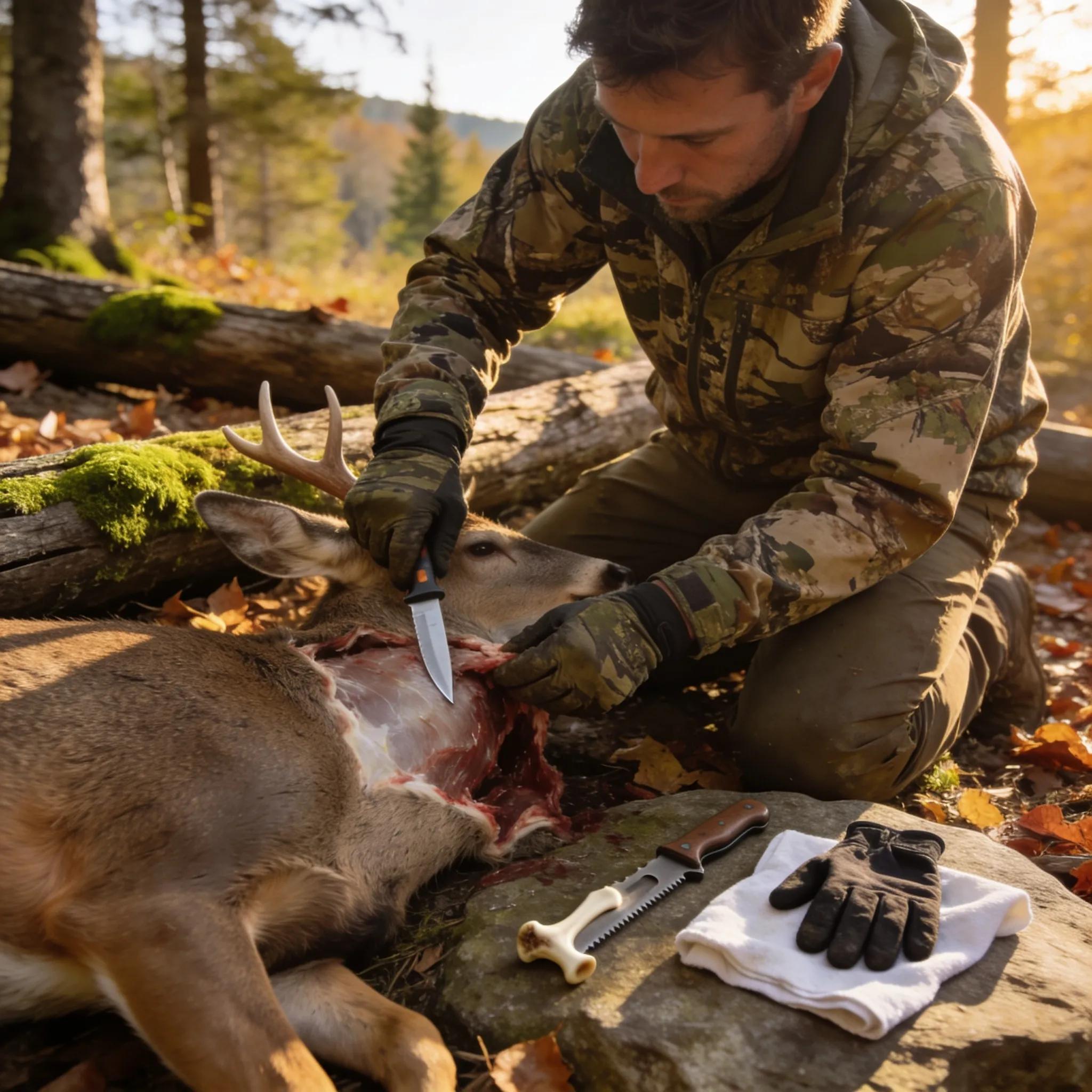
Field Dressing and Game Processing Essentials

by | Jul 2, 2026 | 85 | 0 comments

Complete Guide to Field Dressing and Game Processing Essentials for Hunters

Field dressing and game processing are critical skills for hunters aiming to preserve the quality and safety of their harvest. This guide provides an in-depth look at the essential procedures and techniques for effectively field dressing and processing wild game. Through understanding these steps, hunters can ensure that the meat remains fresh and safe from contamination. The article covers step-by-step procedures for deer field dressing, the best tools for game processing, and key safety protocols, which are crucial for ensuring a successful and ethical hunting experience.

By mastering these techniques, hunters not only enhance the quality of the meat but also respect the game they pursue. This guide examines preparations, the essential tools required, and the proper methods for skinning and preserving wild game meat. Additionally, it highlights the importance of hygiene and safety throughout the processing journey.

What Are the Step-by-Step Deer Field Dressing Procedures?

Field dressing a deer involves a series of critical steps to ensure the meat remains uncontaminated and preserves its quality for consumption. This process begins immediately after the deer is harvested, emphasizing the need for efficiency and proper technique.

How to Prepare Safely for Field Dressing Your Deer

Preparation is paramount for safely field dressing your deer. Before embarking on this task, hunters should ensure they have the right tools and safety gear. Essential tools include:

  • Field Dressing Knife: A specialized gutting knife that facilitates clean cuts.
  • Disposable Gloves: These protect the hunter from contaminants and maintain meat hygiene.
  • Rope or Cord: Useful for hanging the deer while processing.

Moreover, personal safety measures should be in place, such as wearing appropriate clothing to protect against sharp objects and the elements. Environmental considerations, like choosing a clean, accessible area for dressing, further enhance safety.

What Is the Proper Sequence for Deer Gutting and Internal Organ Removal?

The gutting process requires a specific sequence for effectiveness and cleanliness. It begins with making a careful incision through the skin and abdominal wall, followed by the removal of internal organs in a manner that minimizes contact with the meat. Key steps include:

  1. Initial Cut: Make a shallow cut to avoid puncturing the stomach or intestines.
  2. Identifying Organs: Clearly separate the bladder and intestines from the rest of the cavity to prevent contamination.
  3. Completion: Remove all internal organs, ensuring no residual material remains.

Following this sequence ensures that the meat remains clean and suitable for consumption, with minimal risk of contamination from internal organs.

Which Are the Best Knives and Tools for Effective Game Processing?

Choosing the right knives and tools is essential for effective game processing. The correct tools not only simplify the work but also improve safety and preserve meat quality.

What Knives Are Recommended for Skinning and Butchering Wild Game?

For skinning and butchering wild game, several knives are specifically designed to enhance efficiency and precision. Recommended options include:

  • Skinning Knife: Curved blade for easy skinning without damaging the meat.
  • Butchering Knife: Sturdy and sharp, ideal for cutting through muscle and fat.
  • Boning Knife: Fine blade useful for removing bones without significant meat loss.

Each type of knife serves a unique purpose, ensuring hunters can process their game effectively.

What Additional Game Processing Tools Should You Have?

In addition to knives, several other tools can aid in game processing, facilitating a smoother experience. Must-have tools are:

  • Cutting Board: Provides a safe and clean surface for processing.
  • Meat Saw: Essential for cutting through larger bones.
  • Game Bags: Useful for storing meat and protecting it from dirt and pests.

Having these tools on hand can significantly enhance the efficiency and safety of the game processing experience.

How Do You Properly Skin a Deer and Preserve Wild Game Meat?

Proper skinning techniques are vital for ensuring the meat remains uncontaminated and of high quality. Additionally, preservation methods play an essential role in enhancing the shelf life of the harvested game.

What Are the Best Skinning Methods for Clean Game Butchering?

Effective skinning methods involve a careful approach to minimize damage to the meat. Recommended techniques include:

  1. Starting at the Hocks: Begin by making incisions at the hocks and work your way up.
  2. Use of Pliers: Utilize skinning pliers to aid in pulling the skin off without tearing.
  3. Cutting the Hide: Be cautious while cutting the hide to prevent contact with the meat.

These methods not only improve the cleanliness of the process but also ensure that the meat remains intact for optimal quality.

How Should You Age, Freeze, and Cure Game Meat for Optimal Quality?

Once the skinning and butchering are complete, proper handling of the meat is essential for aged flavor and quality preservation. Key techniques include:

  • Aging: Hanging meat in a cool, dry place for a few days to enhance flavor.
  • Freezing: Wrapping meat tightly in freezer paper to prevent freezer burn.
  • Curing: Using salt or other preservatives to maintain flavor and texture over longer periods.

Applying these methods effectively ensures that the game meat retains its quality from harvest to table.

What Are the Essential Safety and Hygiene Protocols During Game Processing?

Maintaining hygiene during game processing is critical for food safety. Several protocols should be adhered to throughout the process.

How Can You Prevent Contamination While Field Dressing and Processing?

Minimizing contamination risks during field dressing and processing involves several key practices:

  1. Clean Equipment: Ensure that all knives and tools are sanitized before use.
  2. Glove Usage: Always wear gloves when handling raw meat to prevent cross-contamination.
  3. Work in a Clean Environment: Conduct the processing in a clean and controlled area away from dirt or pests.

Following these protocols helps ensure that the meat is safe for consumption.

What Cleaning Procedures and Environment Setup Ensure Safe Wild Game Handling?

Setting up a clean processing environment is essential for safe meat handling. Effective cleaning procedures include:

  • Sanitizing Surfaces: Use bleach or other sanitizers to clean all surfaces before and after processing.
  • Proper Waste Disposal: Dispose of internal organs and waste materials far from the processing area to avoid attracting pests.
  • Regular Hand Washing: Wash hands frequently, especially after handling raw meat.

These measures collectively protect the quality of the game meat and ensure a safe processing experience.

When and How Soon Should Game Be Processed After Harvesting?

The timing of game processing significantly affects meat quality and safety. Ideally, hunters should begin processing as soon as possible after the harvest to maintain optimal freshness.

Why Is Timely Cooling Important for Deer and Other Wild Game?

Timely cooling is crucial as it greatly impacts meat quality. When temperatures rise, the risk of spoilage increases, so it is vital to keep the meat cool. Cooling the carcass quickly can prevent bacteria from proliferating and reduce the risk of spoilage, ensuring that the meat remains safe and flavorful.

What Are the Recommended Timeframes for Each Processing Step?

Each step of the processing timeline is important for maintaining quality:

  • Initial Cooling: Within 2 hours of harvesting, the deer should be cooled.
  • Field Dressing: Ideally completed within 30 minutes to 1 hour after the harvest.
  • Butchering and Processing: Should be done within 24 hours of field dressing to maintain optimal quality.


Adhering to these timeframes helps ensure that the meat remains safe and retains its best qualities for consumption.

0 Comments

Submit a Comment

Your email address will not be published. Required fields are marked *

Related posts

Fishing Tackle & Lure Strategies by Species

Fishing Tackle & Lure Strategies by Species

By Martin Lotz, Lotz OutdoorsDifferent species and water types require specific tactics and the right gear to maximize your fishing success. This guide explains how to pick lures suited to your target fish, apply effective techniques tailored for various environments,...

read more
Fishing Apparel: Sun Protection and Comfort

Fishing Apparel: Sun Protection and Comfort

By Martin Lotz, Lotz OutdoorsProper fishing apparel that balances sun protection and comfort is essential for anglers who spend long hours outdoors. The right gear improves performance and shields you from harmful UV rays. This article explains what makes fishing...

read more
Marine Batteries,Chargers & Power Management

Marine Batteries,Chargers & Power Management

By Martin Lotz, Lotz OutdoorsMarine batteries and basic power management keep your boat dependable. Battery types serve distinct roles—from starting engines to powering electronics—and each needs appropriate care and charging to perform well and last. This guide...

read more