Complete Camping Checklist: Essential Gear, Trip Planning, Packing Tips, and Safety Preparation
A successful camping trip hinges on meticulous planning and preparation. With varied camping styles—from car camping to backcountry adventures—it’s vital to have a robust checklist that covers all essential gear and safety measures. This guide offers insights into planning your trip, packing efficiently, and ensuring safety during outdoor adventures. Many campers face challenges such as what to pack or how to choose camping gear that suits their specific needs. Our comprehensive checklist not only alleviates these concerns but enhances your overall camping experience. We will delve into effective trip planning, essential gear lists, tailored packing strategies, and vital safety preparations.
How Do You Plan Your Camping Trip Effectively?
Planning a camping trip effectively involves several critical elements that set the foundation for a successful experience. It requires understanding key factors such as trip duration, campsite selection, and necessary permits. By addressing these elements, campers can optimize their outdoor experiences and mitigate potential issues that may arise during their trip. Careful consideration of these factors not only ensures a smoother camping experience but also enhances enjoyment during the trip itself.
What Are the Key Considerations for Choosing Campsite and Trip Duration?
Evaluating campsites and determining the duration of your camping trip are foundational steps in the planning process. Key considerations include assessing your group’s needs—such as family amenities, access to water, and sanitation facilities. For instance, family trips may require campgrounds with playgrounds and pet-friendly options, while solo campers may prefer remote sites for solitude. It’s also essential to consider the proximity of your chosen campsite to hiking trails, lakes, or attractions. This will dictate how far you need to travel and the potential activities available.
How Can You Prepare for Weather and Required Permits?
Weather plays a crucial role in camping success, making it vital to understand seasonal patterns before departure. Researching the local weather forecast can help in planning for necessary adjustments to your gear and clothing. Additionally, acquiring the necessary camping permits is essential, particularly in regulated areas. Permits might include campground reservations or special permits for backcountry camping. Preparing for unexpected weather, including having a solid plan for emergency situations, ensures a safer and more enjoyable outdoor adventure.
What Essential Camping Equipment Should You Include on Your Gear List?
An essential camping equipment list is central to any camping trip, ensuring that you have the necessary items to enhance comfort and safety while outdoors. Adequate planning results in the organization of gear into categories, such as shelter, cooking, and safety equipment. This categorization not only simplifies packing but also ensures that all vital items are accounted for before leaving for your trip. As you compile your gear list, reflect on your specific camping style and the needs of your group.
Which Shelter, Sleeping, and Backpacking Gear Are Must-Haves?
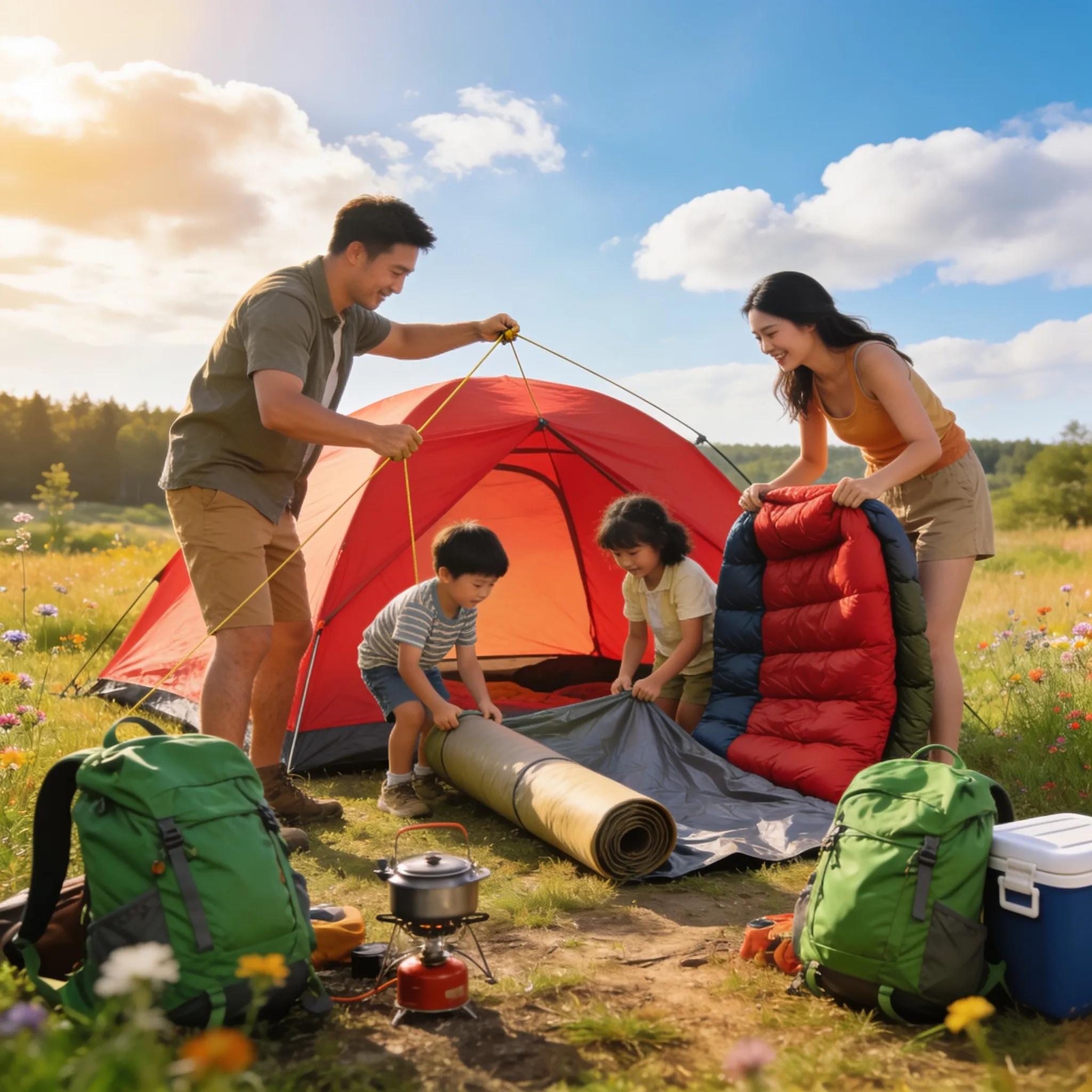
Shelter and sleeping arrangements form the backbone of a comfortable camping experience. Key items to include are:
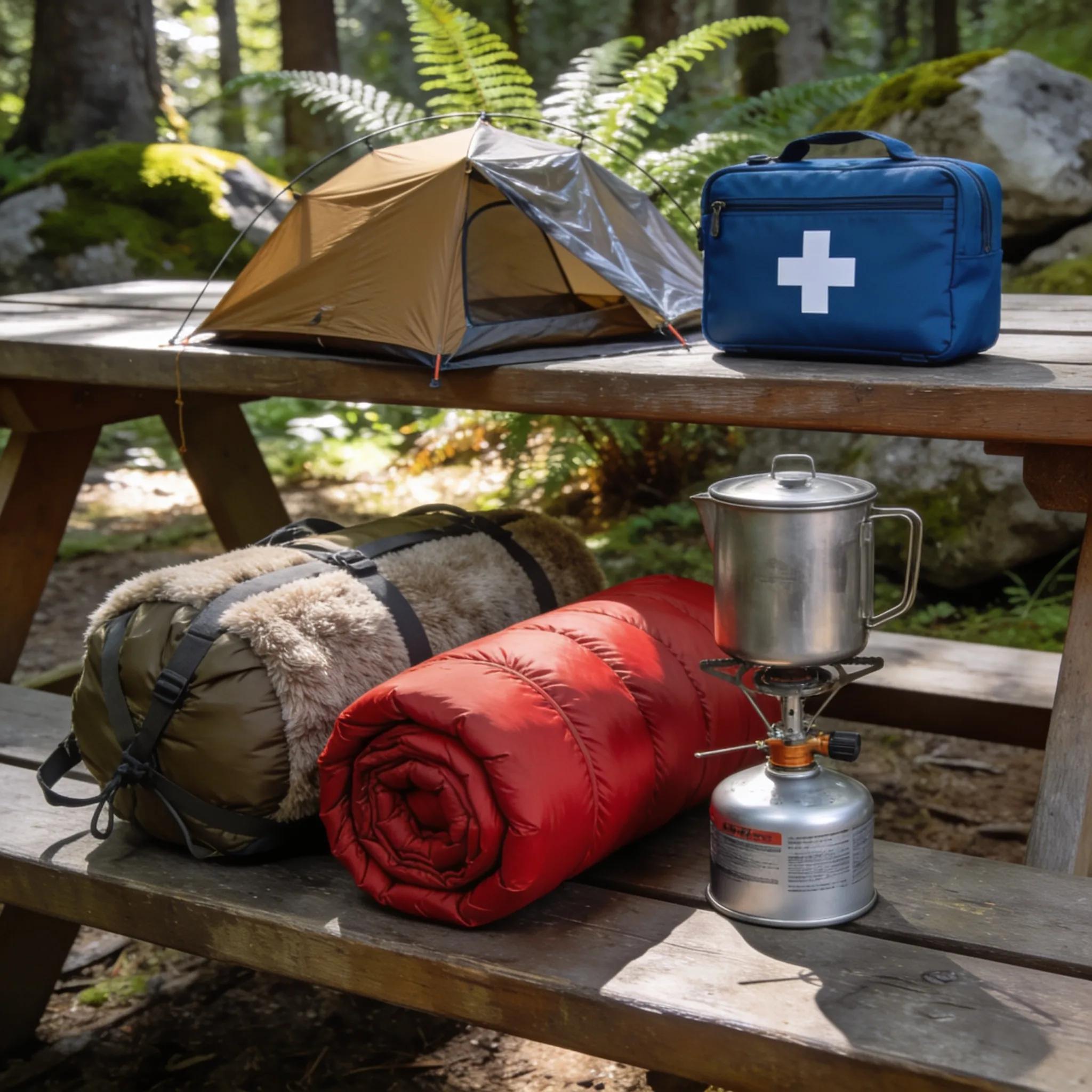
- Tent: Ensure it’s suitable for the number of occupants and resistant to local weather conditions.
- Sleeping Bag: Choose one that’s appropriate for the temperature range expected during your trip.
- Sleeping Pad: Essential for insulation and comfort, the right pad can make a considerable difference in sleep quality.
These items are pivotal in providing a functional and comfortable campsite.
What Cooking and Safety Equipment Is Crucial for Outdoor Camping?
Cooking and safety gear significantly impact your camping experience. Essential cooking items to consider include:
- Camping Stove: A reliable stove ensures that you can prepare meals efficiently.
- Cookware: Look for lightweight pots and utensils, which are easy to carry.
- First Aid Kit: Ensure your kit has all necessary items to manage common camping injuries, including bandages, antiseptics, and insect repellent.
Proper cooking equipment combined with safety gear promotes an enjoyable camping experience and enhances preparedness for emergencies.
How to Create an Outdoor Packing Checklist Tailored to Your Camping Style?
Creating a tailored packing checklist involves understanding your specific camping style and the needs of your trip. Factors such as whether you are car camping, backpacking, or traveling with family should dictate your packing strategy. Having a comprehensive checklist helps ensure that no essential items are overlooked and can significantly reduce the stress of last-minute packing.
What Are Effective Packing Strategies for Car Camping, Backpacking, and Family Trips?
Different camping styles require unique packing strategies:
- Car Camping: Focus on comfort and convenience. Include items such as extra chairs, kitchen tools, and larger tents.
- Backpacking: Prioritize lightweight, compact gear that can easily fit in your pack. This includes multifunctional items to save weight.
- Family Trips: Pack your essentials while considering entertainment options for children—don’t forget games and books.
These tailored approaches ensure that you are well-prepared for whatever style of camping you choose.
How Does Trip Duration Influence Your Packing List and Food Supplies?
The duration of your camping trip directly influences your packing decisions. For shorter trips, focus on essentials and minimal food supplies, while for longer adventures, plan for more substantial meals and more extensive gear. Proper food management and storage solutions—especially insulated containers—are crucial for preventing spoilage. Consider also waste management strategies, ensuring you can dispose of waste responsibly, especially in remote areas.
What Safety and Emergency Preparedness Steps Should Campers Follow?
Safety and emergency preparedness are paramount in ensuring your camping experience is not only enjoyable but also secure. Understanding the basic safety protocols and preparing for potential natural hazards can help mitigate risks associated with outdoor recreation. With proper planning, campers can navigate the outdoors with confidence.
What Safety Equipment Prevents Common Camping Injuries?
Essential safety equipment can help prevent common injuries while camping. Include a well-stocked first-aid kit containing:
- Bandages and antiseptics for minor cuts and scrapes.
- Pain relievers to help manage discomfort.
- Emergency whistle for signaling in distress.
These items are critical for managing injuries that can occur in the wild.
How Do You Manage Campfire Safety and Environmental Protection?
Campfire safety is a significant component of outdoor safety. Best practices include:
- Select a Safe Spot: Use designated fire rings and avoid areas with overhanging branches.
- Extinguishing Procedures: Always have means of extinguishing the fire at hand (water or sand) and ensure the fire is completely out before leaving.
- Environmental Considerations: Follow Leave No Trace principles to keep the area clean and protect the surrounding ecosystem.
Understanding fire management not only enhances your safety but also helps protect the environment for future campers.
Which Modern Camping Gear and Tech Enhance Your Outdoor Experience?
Modern camping gear and technology significantly improve the overall camping experience. From innovative cooking solutions to advanced safety equipment, these tools allow campers to enjoy the great outdoors with more convenience and safety.
What Are the Advantages of Solar Lamps and Portable Power Banks?
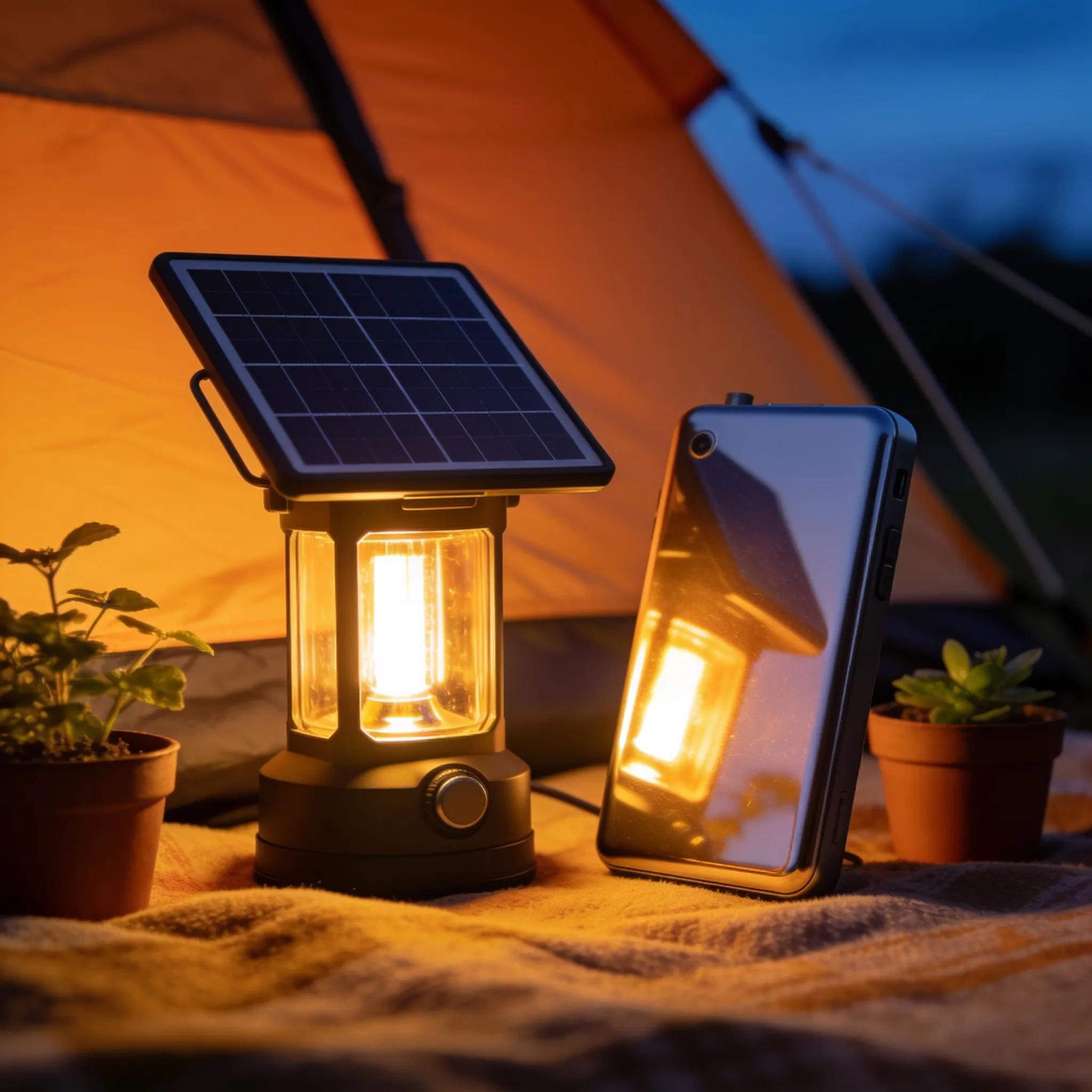
Solar lamps and portable power banks can enhance your camping experience significantly by providing reliable, sustainable power sources. Key advantages include:
- Efficiency: Solar lamps charge during the day and provide sustainable lighting at night.
- Versatility: Portable power banks can charge multiple devices, ensuring your gear stays powered during your trip.
- Environmental Impact: Utilizing solar technology reduces reliance on traditional batteries, minimizing waste.
Incorporating these modern tools can elevate your outdoor experience considerably.
How Can Lightweight, Weather-Adaptable Gear Improve Your Preparedness?
Weather-adaptable gear enhances your preparedness by allowing you to adjust to varying conditions. Examples include:
- Multi-use clothing: Opt for layers that can be easily added or removed based on the temperature.
- Weather-resistant tents: Modern designs can withstand adverse weather while providing optimal comfort.
This adaptability ensures that you remain comfortable and safe during unforeseen conditions while camping.
What Is Essential Camping Gear for Beginners and Experienced Campers?
Different experience levels dictate distinct gear requirements. Beginners should focus on essentials such as:
- Basic camping gear: Tents, sleeping bags, and first-aid kits.
- Guides and resources: Books or apps that provide camping advice and tips.
Experienced campers may seek advanced gear, such as:
- Quality cooking equipment: Stoves that offer versatility and durability.
- Multi-functional tools: Items that can serve various purposes to streamline packing.
This differentiation helps ensure that each camper, regardless of experience, is prepared for their journey.
How Do You Pack Efficiently for a Weekend Camping Trip?
Packing efficiently for a weekend camping trip involves strategic planning. Consider the following techniques:
- Create a checklist: Outline the essentials required for a short trip, focusing on the minimum necessary items.
- Use compression bags: These help save space for clothing and sleeping gear.
- Organize your supplies: Group similar items together to ease the packing and unpacking processes.
These strategies will help ensure an organized and efficient approach to packing, maximizing enjoyment during your camping adventure.
Frequently Asked Questions
What Should You Do if You Encounter Wildlife While Camping?
If you encounter wildlife while camping, maintaining a safe distance is crucial. Do not approach animals, as they can be unpredictable and potentially dangerous. If an animal is near your campsite, make noise to encourage it to leave. Store food securely and follow local guidelines to minimize attractants. In an emergency situation, calmly back away without startling the animal and avoid sudden movements. Always educate yourself about local wildlife to understand safe practices and the specific risks in the area.
How Do You Ensure Sustainable Camping Practices?
To ensure sustainable camping, follow the Leave No Trace principles. This includes disposing of waste properly, minimizing campfire impact, and respecting wildlife. Pack out everything you bring in, including trash and food scraps. Use biodegradable products when possible and choose established campsites to reduce environmental impact. Avoid disturbing plants and wildlife, and stay on designated trails. These practices help preserve natural habitats for future campers and maintain the beauty of the environment.
What Are Some Common Camping Mistakes to Avoid?
Common camping mistakes to avoid include overpacking, which can lead to unnecessary weight, and underestimating the weather conditions, which can compromise comfort and safety. Failing to properly plan meals or not bringing enough food and water can lead to serious issues. Ensure you understand your campsite’s regulations and be aware of potential hazards, such as wildlife or difficult terrain. Taking time to educate yourself about these potential pitfalls can enhance your camping adventure immensely.
How Can You Choose the Right Camping Gear for Your Needs?
Choosing the right camping gear involves considering several factors: your camping style (car camping vs. backpacking), the duration of the trip, and the specific conditions you’ll be facing. Researching reviews and product features is essential. Look for gear that’s durable, weather-resistant, and fits your budget. Visiting local outdoor stores to test out gear can also be helpful. Don’t hesitate to ask experienced campers for recommendations to tailor your selection to fit your needs.
What Are Safety Tips for Camping with Children?
When camping with children, prioritize safety by teaching them basic outdoor skills and safety protocols. Establish boundaries at the campsite, including staying within sight and understanding the importance of not wandering off. Equip them with safety gear, such as proper footwear and hats, and maintain a well-stocked first-aid kit on hand. Engaging children in campsite responsibilities can enhance their awareness and enjoyment while creating lasting memories in nature.
What Should You Know About Campfire Cooking?
Campfire cooking requires understanding the basic techniques for safely preparing food outdoors. Use a grill over the fire or skewers for roasting meals, and keep a close eye on open flames. Ensure food is cooked thoroughly to prevent foodborne illness. It’s wise to pack proper cooking equipment and utensils to make meal preparation easier. Following fire safety guidelines, including avoiding flames that are too large, is critical for keeping everyone safe during your culinary adventures.
Planning a successful camping trip is anchored in careful preparation and the right gear, ensuring a memorable outdoor experience. By following our comprehensive checklist, you’ll alleviate common uncertainties regarding packing, safety, and campsite selection. Don’t miss out on the joys of nature—start organizing your next adventure today! Explore our detailed resources for more camping tips that will enhance your next trip.



0 Comments