Skiing Techniques for Beginners
Learning to ski can be an incredibly rewarding experience, and mastering fundamental techniques is key to enjoying the slopes safely and confidently. For beginners, focusing on core skills like proper stance, balance, and turning will build a strong foundation for progression. Understanding how to control your speed and direction is paramount, ensuring you can navigate different terrains and conditions with ease.
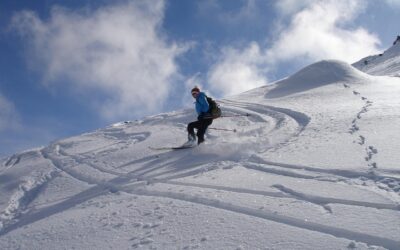
Key beginner techniques include the snowplow (or wedge) for controlling speed and making turns, and the parallel turn as you advance. Maintaining a balanced stance with knees and ankles flexed, and keeping your poles behind you until you need them for balance or propulsion, are crucial elements. Practicing these skills on gentle slopes will help you develop muscle memory and build the confidence needed for more challenging runs.
Choosing the Right Ski Gear
Selecting the appropriate ski gear is essential for both performance and comfort on the mountain. Your equipment directly impacts your ability to control your skis, stay warm, and prevent injuries. Investing in the right skis, boots, bindings, and outerwear will significantly enhance your overall skiing experience.
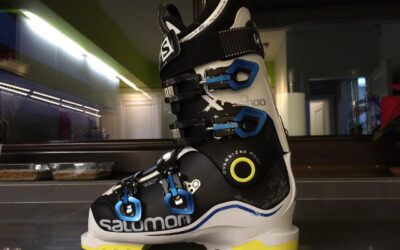
When choosing skis, consider your skill level, preferred terrain, and body type. Beginner skis are typically shorter and more forgiving, while advanced skis offer more stability and responsiveness. Ski boots should fit snugly but comfortably, providing adequate support without causing pressure points. Proper fitting by a professional is highly recommended. Don't forget essential accessories like helmets, goggles, and appropriate layering for warmth and moisture-wicking.
Understanding Ski Resort Etiquette
Enjoying the ski slopes also means respecting the rules and etiquette that ensure everyone has a safe and pleasant experience. Ski resort etiquette is a set of guidelines designed to prevent accidents and promote courtesy among skiers and snowboarders of all levels.
The Skier's Responsibility Code is a universally recognized set of rules. Key principles include skiing or riding in control, yielding to those downhill from you, and not stopping in the middle of a trail or where you are not visible from above. Always be aware of your surroundings and the presence of other people on the mountain. Following these guidelines contributes to a positive atmosphere and minimizes the risk of collisions.
The Benefits of Skiing for Physical and Mental Health
Skiing offers a fantastic combination of physical exertion and mental rejuvenation, making it a highly beneficial activity for overall well-being. The sport engages multiple muscle groups, improves cardiovascular health, and provides a refreshing escape into nature.
Physically, skiing is a great cardiovascular workout that strengthens your legs, core, and upper body. It also enhances balance, coordination, and proprioception. Mentally, being outdoors in a scenic environment can significantly reduce stress and improve mood. The focus required to navigate the slopes can act as a form of active meditation, allowing you to disconnect from daily worries and immerse yourself in the present moment.