

Best Family Tents: Selection, Setup & Reviews for Optimal Camping Experience
How to Choose the Best Family Camping Tent: Key Features and Size Considerations
What Tent Capacities Are Ideal for Different Family Sizes?
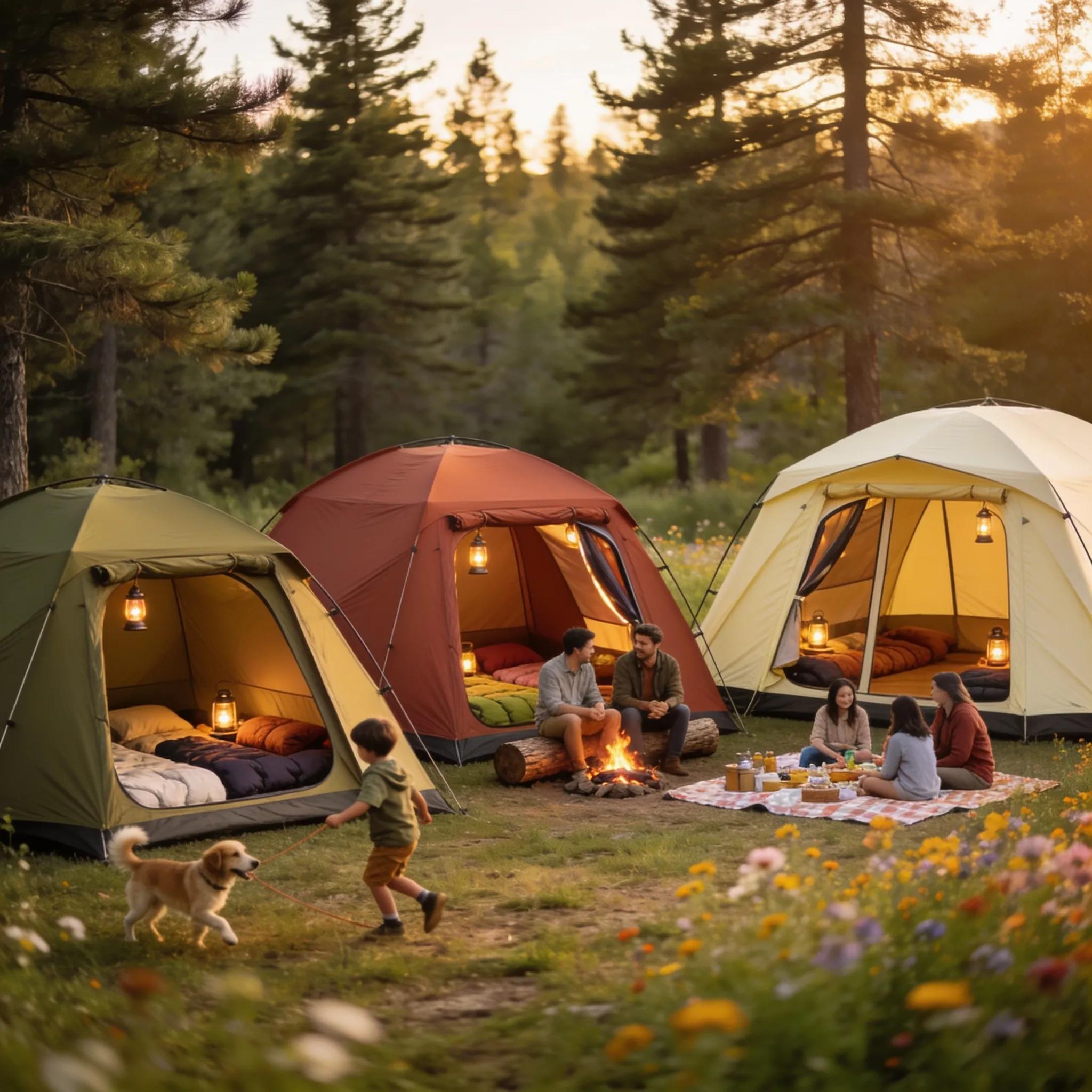
- 4-Person Tents: Ideal for small families or couples, providing enough space for sleeping bags and gear.
- 6-Person Tents: Best for medium-sized families, allowing more room for movement and extra belongings.
- 8-Person Tents: Perfect for larger families, providing ample space for sleeping arrangements and essential camping gear.
Which Weatherproof Features Ensure Durability for Family Tents?
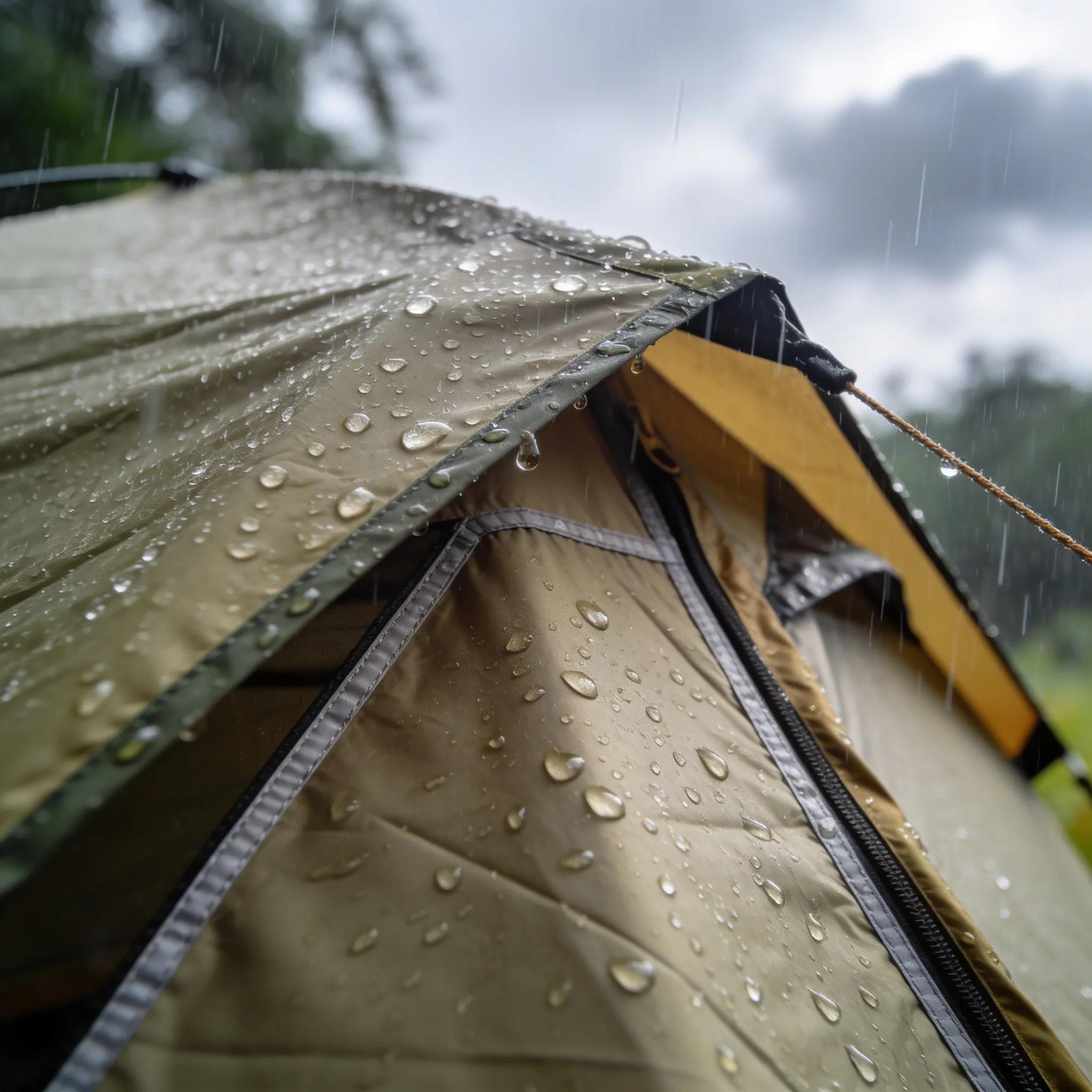
- Waterproof Materials: Tents made from high-quality, water-resistant fabrics keep the interior dry during rainstorms.
- Sealed Seams: Properly sealed seams prevent water from leaking into the tent, enhancing overall weather resistance.
- Ventilation Features: Tents designed with mesh panels allow for airflow, which helps reduce condensation and improves internal comfort during warm nights.
What Are the Top Family Tent Brands and Models in 2026?
How Do Coleman, REI, and Big Agnes Family Tents Compare?
| Brand | Model | Price | Features |
|---|---|---|---|
| Coleman | WeatherMaster 6-Person Tent | $269 | Weatherproof materials, spacious interior, easy setup |
| REI | Base Camp 6 Tent | $299 | Excellent ventilation, durable construction, high weather rating |
| Big Agnes | Big House 6 Deluxe Tent | $499 | Roomy design, multiple storage pockets, quick setup |
Which Large Tents Offer Best Value and Comfort for Families?
- REI Base Camp 6: Offers a great blend of durability and comfort, making it a favorite among families.
- Coleman WeatherMaster 10: Features generous space and is well-reviewed for its weather protection.
- Big Agnes Big House 6: Known for spacious interiors and user-friendly setup, this tent is designed for family comfort.
How to Set Up Your Family Tent Easily: Step-by-Step Guide and Tips
- Choose the Right Location: Find a flat, dry surface away from potential hazards like falling branches.
- Lay Out the Tent: Unpack the tent and lay it out according to the instructions, ensuring all components are accounted for.
- Assemble the Poles: Connect the tent poles, following the manufacturer’s guidance for accurate assembly.
What Tools and Techniques Simplify Family Tent Setup?
- Color-Coded Poles: Many modern tents come with color-coded poles to simplify assembly and reduce setup time.
- Tent Stakes: Use durable stakes to secure the tent and prevent it from being blown away by the wind.
- Footprint: Utilizing a tent footprint can help protect the tent floor from wear and tear.
How to Ensure Proper Ventilation and Stability During Setup?
- Open Vents: Ensure that all vents and windows are opened to encourage airflow, reducing humidity inside the tent.
- Secure the Tent: As soon as the tent structure is established, stake it properly to the ground, especially in windy conditions.
- Adjust for Uneven Ground: If the terrain is uneven, adjust the positioning of the tent and the tension of each stake to maintain stability.
Which Family Tents Are Most Durable and Suitable for Various Camping Conditions?
How Do Weather Ratings Affect Tent Performance in Extreme Conditions?
- Rain Rating: The higher the rain resistance rating (measured in millimeters), the better the tent can handle heavy rain.
- Wind Resistance: Consider tents designed to endure strong winds; look for sturdy poles and robust fabric.
- Temperature Ratings: A good tent should maintain comfort in various temperatures, indicating its insulation capabilities.
What Materials and Design Features Boost Family Tent Longevity?
- Polyester and Nylon Fabric: High-quality synthetic fabrics resist UV damage and wear over time.
- Reinforced Seams: Double stitched seams prevent leaks and increase durability.
- Quality Zippers: Invest in tents with high-quality zippers that withstand frequent usage without snagging.
What Are the Best Practices for Maintaining and Caring for Family Camping Tents?
How to Clean and Store Your Family Tent to Maximize Lifespan?
- Regular Cleanings: Clean the tent after each trip to remove dirt and moisture, allowing it to dry thoroughly to prevent mold growth.
- Proper Storage: Store the tent in a dry, cool place, ideally in its original bag to protect against punctures and wear.
When Should You Repair or Replace Family Tent Components?
- Inspect Regularly: Check for wear and tear on seams and zippers before each camping trip and address any issues promptly.
- Replace Worn Components: If a pole is bent or a zipper is malfunctioning, replacing the component is often more cost-effective than purchasing a new tent.
- Evaluate Aging Materials: If the fabric has become thin or UV-damaged, it may be time to consider a replacement for overall safety.
What Additional Camping Gear Enhances Family Tent Camping Experiences?
Which Accessories Improve Comfort and Safety for Family Campers?
- Sleeping Pads: Ensure a comfortable sleep by using quality sleeping pads that provide insulation and cushioning.
- Headlamps: Portable lighting options make navigating around the campsite easier after dark.
- First Aid Kits: Essential for addressing minor injuries or emergencies during outdoor activities.
How to Integrate Family Tents with Other Camping Equipment?
- Shared Storage Solutions: Use storage bins or bags that can be easily accessed within the tent for organizing gear.
- Power Solutions: Consider portable charging equipment or solar-powered lights that work alongside your tent setup.
- Cooking Equipment: Position a cooking setup that is easily accessible from the tent, ensuring meals are convenient without extensive trips outside.


0 Comments